Facing Increased Expenses Post-Budget, Boots Records a Leap in Sales

Major high street pharmacy chain Boots has warned of "intensified cost pressures" for the year 2025 in the wake of the Autumn Budget. Despite this, the company has experienced a significant surge in sales recently. Boots' newly appointed chief executive, Anthony Hemmerdinger, acknowledged the financial strain but stressed that "our focus is on overcoming these challenges to ensure continued long-term, sustainable growth." According to City AM, the company witnessed an 8.1% increase in total comparable retail sales for the first quarter of its financial year, ending on 30 November 2024. The health and beauty retailer noted growth across all product categories and sales channels, continuing the upward trend from the previous year. Digital sales experienced a 23% increase year-on-year, contributing to 22% of the total retail revenue, with in-store sales also showing an uptick. Excluding Christmas sales, Boots saw a 20% rise in Black Friday sales for that week. The company will detail its Christmas sales performance in the upcoming second-quarter earnings report, hinting that "early signs point to a strong Christmas trading period." Beauty sales at Boots soared by 11% year-on-year, propelled by fragrances, premium beauty products, and skincare. In the healthcare sector, the company reported a 10.9% increase in comparable pharmacy sales, largely due to the strong performance of services like flu, Covid-19, and travel vaccinations. Anthony Hemmerdinger, Managing Director of Boots UK and Ireland, stated: "These results are a testament to our financial strength, with retail and pharmacy sales showing significant growth, market share increases, and higher customer satisfaction ratings." He further commented, "These numbers show that our transformation efforts – from enhancing the in-store and digital customer experience to offering a comprehensive range of products and services at all price points – are yielding results." Hemmerdinger expressed his gratitude, saying, "I would like to extend my thanks to our team for their dedication during this crucial trading period. We remain committed to our transformation journey and have more exciting developments in the pipeline to further improve our customers' experience." Addressing future economic challenges, he remarked, "While we anticipate heightened cost pressures in 2025 following the Autumn Budget, we are confident in our positive momentum and clear strategy to navigate these challenges and maintain long-term, sustainable growth."

Read more
A well-established family business in Cornwall, specializing in taxi and coach hire services, has declared bankruptcy, r

As per Companies House records, the firm initiated creditors' voluntary liquidation on December 18th, a legal procedure that permits the directors of an insolvent company to shut down operations voluntarily. Kim Richards and Richard Tonks from BK Plus, a firm in Walsall, West Midlands, were designated as the joint liquidators. The Gazette officially announced this development on Boxing Day. Financial records from Companies House indicate that Summercourt Travel, which was founded approximately two decades ago, has outstanding debts exceeding £908,000. These include a director's loan of £280,000 to a creditor, £137,000 owed to Funding Circle in London, nearly £31,000 to HSBC, slightly over £29,000 to HM Revenue and Customs, and almost £21,000 to Haydock Finance Limited in Lancashire. Other creditors encompass Cornwall Council, various vehicle companies, utility providers, and even Amazon for a sum of £43. Despite the liquidation of Summercourt Travel, its directors Robert and Sam Ryder, along with company secretary Sharon Ryder, are still managing Merlin Vehicle Rental and Travel Cornwall. These businesses are situated at the same address as the now-defunct Summercourt. Online inquiries for Summercourt Travel are automatically redirected to the operational Travel Cornwall website, as reported by Cornwall Live. The website portrays the company as a "locally based family-run business offering a range of transportation services including taxis, minibuses, executive cars, and coach and bus services." It further states that the company's central location is ideal for providing services across Cornwall and beyond. Efforts have been made to contact Robert Ryder, whose email still mentions Summercourt Travel, and the liquidators for further comments. A spokesperson for BK Plus Limited stated: "Summercourt Travel Limited went into Creditors' Voluntary Liquidation on December 18, 2024, with Richard Tonks and Kim Richards of BK Plus appointed as Joint Liquidators by the company's members and creditors. "Before our appointment, the company had stopped trading, leading to one of its clients taking over employment contracts for 24 of its staff, while the remaining six were laid off. "Post-appointment, the liquidators will now focus on converting the company's assets into cash, communicating with creditors, and, as per standard insolvency procedures, examining the circumstances that led to the company's collapse."

Read more
Vue earnings hammered by National Minimum Wage and rising costs

Vue, the cinema chain, has reported a drop in sales and earnings for the first half of its financial year, despite the releases of high-profile films such as Wonka, Kung Fu Panda 4 and Dune: Part 2. The company attributed the decline to tough comparisons with the performances of Avatar: The Way of Water, The Super Mario Bros Movie and Guardians of the Galaxy Vol. 3 during the same period in 2023, as reported by City AM. Vue's half-year update revealed that admissions fell from 34.3m to 33.2m, while total revenue declined from £376.6m to £348m. The chain’s consolidated EBITDAaL (earnings before interest, taxes, depreciation and amortisation and after lease expenses) was cut from £23.3m to £3.5m. Vue also noted that the average ticket price was £5.71 over the six months. The company said that more family/children focused content was released, which lowers ticket prices, while fewer 3D films were priced at a premium. Despite gross margin levels remaining consistent year on year, Vue cited a "softer" second quarter film slate and the impact of National Minimum Wage and cost inflation as reasons for its lower EBITDAaL. This update follows Vue's report of a total revenue of £759m for the 12 months to 30 November, 2023, up from £606m, while its pre-tax loss narrowed to £73.7m from £253m. In the UK, admissions rose to almost 134m – an increase of 0.3 per cent – with gross box office receipts of just over £1bn. Vue's recent half-year results follow the announcement that rival Reel Cinemas reported a pre-tax profit of £424,007 for the year ending 28 December 2023, a decrease from £2.4m. Its turnover increased slightly from £13.3m to £13.9m during the same period.

Read more
Black-owned restaurants urged to apply for Uber Eats fund

Black-owned British restaurants are being encouraged to apply for a grant of up to £10,000 to support their business. The annual Uber Eats Black Business Fund is being run in collaboration with Enterprise Nation and Be Inclusive Hospitality. Now in its fourth year, the fund will award a total of £250,000 to 25 small black-owned businesses across the UK. At least half of the grants will go to businesses outside of London that are experiencing struggles with the cost-of-living crisis. To be eligible, businesses need to have fewer than five locations and have been trading for more than 12 months. The initiative is designed to help restaurants improve their leadership and management skills, develop strategies to manage risks from outside the business, and gain the knowledge to build and grow. Uber Eats and Enterprise Nation first launched the Black Business Fund in 2021, awarding 10 £5,000 grants to restaurants across the UK. In 2022 and 2023, the pot was increased to £250,000. Matthew Price, general manager at Uber Eats UK and Ireland, said: "We're proud to launch the Black Business Fund for a fourth consecutive year, bringing our total contribution to black-owned businesses to over three-quarters of a million pounds. "Past grant recipients have used the funding for essential investments – whether upgrading equipment or expanding their teams through staff training. We're proud to continue empowering the next generation of black entrepreneurs, helping their businesses thrive." Entrants will also receive free membership to Enterprise Nation and access to an e-learning course. Emma Jones, founder and chief executive of Enterprise Nation, said: "The Uber Eats Black Business Fund has become a lifeline that delivers much-needed funding and strategic support to underrepresented businesses in the hospitality sector. "It's an industry that's been hit by a tsunami of extra costs recently, including energy, labour, and tax, which means it's hard to innovate. Targeted support like this fund is vital because it helps to boost that innovation, allowing the next generation of new and diverse businesses to be creative."

Read more
Ocado and Morrisons recalibrate partnership, focusing on AI-driven in-store tech

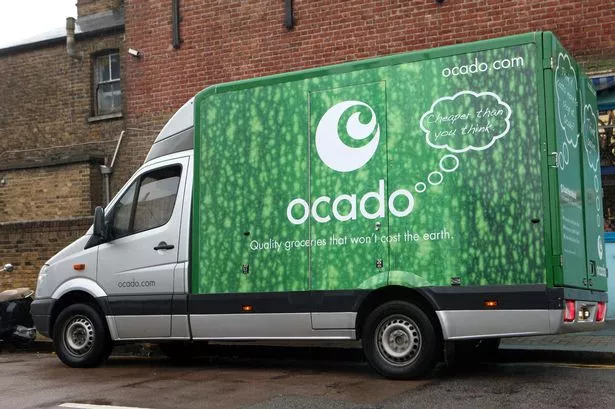
Ocado has revealed plans to intensify collaboration with Morrisons in-store, while scaling back on the use of fulfilment centres as Morrisons restructures its online grocery sector. Since their partnership began in 2013, Morrisons will "gradually cease" using Ocado’s Erith fulfilment centre in the south east, according to a statement released by Ocado this morning, as reported by City AM. The strategy includes increasing volumes from Ocado’s Midlands fulfilment centre and expanding Morrisons' store network where online orders are processed using Ocado’s advanced AI-powered in-store technology. Rami Baitiéh, CEO of Morrisons, explained that the move is in response to a surge in demand for the supermarket's online services. "In-store fulfilment... gives our customers full access to our unique Market Street offer. Morrisons.com will continue to service every postcode in England, Wales and Scotland, with no impact to customers," said Baitiéh. Tim Steiner, CEO of Ocado, commented on the partnership: "With our world-leading technology, Ocado Retail and Morrisons offer amazing propositions in the UK online grocery market." He further noted that as Morrisons reduces operations at Erith and boosts volumes elsewhere, Ocado will work to ensure a smooth transition and maintain strong market share growth throughout the UK with the Ocado Smart Platform. Steiner also mentioned that easing the load on the Erith centre will facilitate growth for Ocado's online retail branch. "As Ocado Retail moves towards full utilisation of existing capacity, this decision enables a helpful option to provide it with further short-term growth, without an expectation for additional capex," he said. Ocado has poured significant investment into tech but its grocery division has faced challenges post-pandemic – boasting a 2021 peak market cap of £22bn, the company's valuation now stands at around £3bn. Earlier this year, major brokerage firm Bernstein shifted its stance from ‘outperform’ to ‘underperform’, slashing its price target from 1,000p to 250p and noting that they were "having been one of the last bulls standing." Despite the downward review, sales have recently been on the rise again, in part thanks to a fresh joint venture with M&S.

Read more
On the Beach brings back dividends and launches £25m share buyback for investors

On the Beach has initiated a £25m share buyback and promised substantial full-year dividends for investors, following a surge in demand for its package holidays to record levels in 2024. The Manchester-based company announced plans to reintroduce a final dividend of 2.1p per share, marking the first full-year payout since the pandemic affected the travel sector, as reported by City AM. This decision comes after On the Beach reported record bookings for the third consecutive year, capitalizing on the travel boom that has swept across Europe in recent years. The company's total transaction value (TTV) reached £1.2bn, a 15% year-on-year increase, alongside revenue of £128.2m, up 14%. On an adjusted basis, pre-tax profit rose by 25% to £31m. In a statement to the market, On the Beach informed investors that its forward order book had reached record levels, with winter bookings to date up by 25%. "Current trends and strategy give us confidence that summer 2025 will be significantly ahead of summer 2024," the company added. Chief Executive Shaun Morton attributed the performance to a combination of initiatives, including the company's announcement of a landmark partnership deal with its long-term budget airline partner, Ryanair. "The partnership has facilitated an improved customer journey for those booking Ryanair flights as part of an On the Beach package, whilst enabling increased operational efficiency and a greater focus on areas of strategic value." "What’s more, the agreement and significant upgrades to our technology have supported a doubling of our addressable market, following the addition of city breaks to our offering alongside planned investment in Ireland."

Read more
Caffe Nero owner reports record sales as popular menu items fly off the shelves

Nero Group, the parent company of coffee chain Caffè Nero, has reported a significant surge in sales for the first half of its current financial year. The company achieved record-breaking sales of £310 million for the six months ending November 2024, representing an 8% like-for-like increase and 13.6% overall growth, as reported by City AM. In the UK, Caffè Nero's sales reached £185.4 million, a notable 11.4% rise, while sales in Turkey and Sweden saw increases of 12% and 9% respectively. With a global presence of approximately 1,120 stores across 11 countries and a workforce of 11,000 employees, Nero Group's impressive performance is a testament to its continued success. The results precede the publication of Caffè Nero's full-year results, expected by the end of the month, which follow the company's previous financial year performance of £450.4 million in revenue and £7.3 million in pre-tax profit, alongside the creation of over 1,000 new jobs. This positive news contrasts with rival Costa Coffee's reported pre-tax loss of £9.6 million in 2023, despite a revenue increase of over £100 million. Founded in 1997 by Gerry Ford, Caffè Nero was listed on the London Stock Exchange in 2001 before transitioning to a private company in 2007. Ford, who serves as the company's CEO, expressed optimism about the results, stating, "The first half was very encouraging." "Our success is a reflection of the hard work and outstanding service from our store teams and the real momentum we’ve built through menu innovation." "I was particularly encouraged by our cinnamon bun, which sold over quarter of a million units after its launch in Q2, and the famous maritozzi bun, which took the country by storm and sold close to half a million units in the first half of the year."

Read more
Mike Ashley's Frasers lowers profit guidance after October's Budget

Mike Ashley's Frasers Group has revised its financial outlook downwards, attributing the change to tougher trading conditions following October's Budget. The retailer now anticipates an adjusted pretax profit ranging between £550m and £600m for the 2025 financial year, a decrease from the previously forecasted £575m to £625m. "Both ahead of and after the recent Budget, consumer confidence has weakened and recent trading conditions have been tougher," the company stated in its half-year results, as reported by City AM. Looking ahead to 2026, Frasers foresees incurring additional costs of at least £50m due to the Chancellor's decision to raise employers' national insurance and increase the minimum wage as announced in the Budget. The firm is actively seeking ways to "working hard to mitigate" these impending costs. In early trading, shares in Frasers Group dropped by over 13%. This guidance was issued alongside the company's report of a one-third decline in pretax profit for the six months ending in October, which fell to £207m. Frasers attributed its trading performance to a reduction in foreign exchange gains and fluctuations in equity derivatives. On an adjusted basis, pretax profit slightly decreased by 1.5% to £299m, down from £304m in the previous year. Despite continued sales growth in Sports Direct, this was overshadowed by "planned declines" in other areas such as Game UK, Studio Retail, and Sportmaster in Denmark. Frasers is currently engaged in "right-sizing" these previously unprofitable businesses to ensure their long-term sustainability. Additionally, the group cited a "challenging luxury market" as a factor negatively impacting sales.

Read more
Boohoo shareholders vote to keep co-founder on board in Mike Ashley battle

Shareholders of Boohoo have overwhelmingly rejected a proposal from Mike Ashley's Frasers Group to remove the company's co-founder and vice chair, Mahmud Kamani, from the board. The proposal was voted down by a margin of two to one, with four-fifths of shareholders participating and two-thirds of those voting in favour of retaining Kamani, as reported by City AM. Boohoo stated that it had the "clear support of shareholders" and called on Frasers to "end its attempts to destabilise and disrupt the group". The company added that the continued distractions were not in the best interests of creating value for all shareholders. The dispute between the two companies has been ongoing since October, when Boohoo's CEO John Lyttle stepped down and Frasers, which owns around 27% of Boohoo, attempted to install Ashley as his successor. However, this move was rejected, and former Debenhams chief Dan Finley was appointed instead. Ashley had claimed that he wanted to help Boohoo return to profit after a period of destabilisation, during which the company has faced increased competition from cheaper rivals such as Shein and Temu. Boohoo's latest half-year results showed a 15% fall in revenue, a 10.5% decline in adjusted operating profit, and an increase in net debt of over £100m. Boohoo's non-executive chair Tim Morris expressed his gratitude to company investors, stating: "I would like to thank our shareholders for their overwhelming support, which provides the board with a clear mandate to continue with the work of creating maximum value for all shareholders." He went on to reference the past events, pointing out, "Today’s outcome follows the rejection in December of the previous Frasers attempt to destabilise boohoo." He added, "On both occasions 99 per cent of investors who are not connected to Frasers backed the board’s position."

Read more
Nando's to open new restaurants across UK after slashing loss

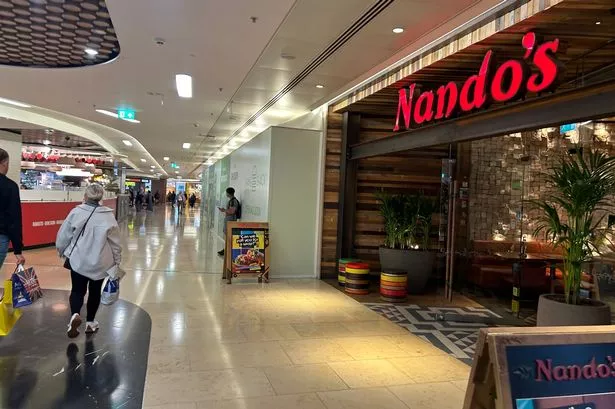
Nando’s has unveiled plans to open new restaurants across the UK after reducing its pre-tax loss during its latest financial year. The chain, renowned for its peri-peri chicken, intends to launch 14 sites during its current financial year, as reported by City AM. It has already opened new establishments in Edinburgh, Newcastle, Doncaster, Taplow, Bognor, Watford, Northampton and Belfast. In the year ending February 2024, Nando’s launched 17 restaurants, with 11 of these in the UK and Ireland. During that 12-month period, the chain’s revenue rose by 7.5 per cent to £1.37bn while its pre-tax loss was reduced from £86.2m to £50.1m. The group reported an operating profit of £59.8m for the year. Nando’s stated its sales had exceeded pre-pandemic levels due to "strong customer demand". Rob Papps, group chief executive of Nando’s, said the economic backdrop remains "uncertain" but it is pushing forward with more investment to drive growth. Nando’s said the latest growth plans come after a positive first quarter of its 2024-25 financial year, where it was "extremely encouraged by customer demand". However, it emphasised cost inflation has remained at "elevated levels", indicating it is still seeking to address its costs across the business. Nando’s said it made £86.6m of capital investment over the year, as it opened more stores and refurbished a number of restaurants. Papps stated: "The 2024 financial year saw Nando’s deliver a good sales performance and a return to pre-pandemic levels of operating profit driven by robust consumer demand for our flame-grilled peri-peri chicken supported by our strong brand and customer proposition." He added, "Despite the improved sales performance, ongoing cost pressure with energy, labour and food remained very challenging."

Read more
TalkTalk may cut nearly 25% of consumer staff, including roles at Salford HQ

Nearly a quarter of TalkTalk's consumer staff, including some based at the company's Salford headquarters, are at risk of losing their jobs. It is estimated that around 130 out of 530 colleagues could face redundancy, equating to almost 25 per cent of the consumer team, the Manchester Evening News and BusinessLive have revealed. The company is expected to extend the redundancy consultation period over the Christmas fortnight. Last year, TalkTalk Group split its main operating business into three independent companies: TalkTalk Consumer, which serves over two million broadband customers, TalkTalk Business Direct, and PXC Communications, which provides services to other telecoms providers. Earlier this year, TalkTalk had warned it could potentially collapse unless a new finance deal was secured. In its July annual report, the directors expressed concerns about potential insolvency as early as 'August 2024 or sooner'. A source close to the company disclosed that following the demerger, the business is 'simplifying ways' to ensure a 'sustainable business model' for the future. The changes are expected to affect roles across the UK, particularly in centralised head office functions, reports the Manchester Evening News. While Soapworks in Salford Quays remains the company's HQ, it is unclear how many roles there could be impacted. It is understood that customers will not be affected by these changes. A spokesperson for TalkTalk commented: "This is the first stage in a multi-year transformation of our business to deliver differentiated service and product to our customers. We are simplifying our business to ensure that we can continue to offer great value connectivity to our millions of customers across the UK." "As part of this, we have made the difficult decision to launch a consultation about the future of some roles at TalkTalk's consumer business." The telecom firm's executives have been actively working to refinance the substantial £1bn debt accumulated since the company went private in 2020, amidst escalating costs and increased competition. In a positive turn for TalkTalk, August saw a tentative agreement on a transaction, providing the company with a £400m financial boost. Regarding the financing, they stated: "The proposed transaction will leave the company well-funded to deliver the respective strategic plans of PlatformX Communications (PXC) and TalkTalk, continuing to capitalise on their strong positions in the market." In the latest financial report up to February 29, it was disclosed that TalkTalk's consumer and PXC divisions employed approximately 1,857 individuals - 1,229 in administrative roles and another 628 in sales and customer management. Back in 2019, TalkTalk relocated its headquarters to the Soapworks building in Salford Quays, a site once home to Colgate-Palmolive's toothpaste, detergents, and dishwasher liquid production. The group said: "It's been amazing to be able to bring everyone together under one roof to create a world-class, state-of-the-art campus for our entire business." The company also operates from locations in Gateshead and London.

Read more
Travelodge warns of £21m cost hike after Chancellor Rachel Reeves' Budget

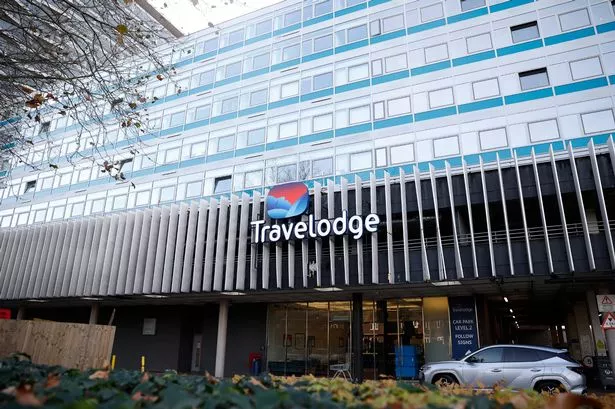
Travelodge has disclosed that it is bracing for a £21m surge in costs in 2025, following Chancellor Rachel Reeves’ Budget. The budget hotel chain has cautioned that the rise will be due to the combined effect of another minimum wage increase in April and a higher rate of employer national insurance set to inflate tax bills, as reported by City AM. Travelodge stated that it is doing its utmost to keep costs down, including the use of robot vacuums throughout its hotels. Chief executive Jo Boydell commented: "While macroeconomic uncertainty persists amidst a challenging operating environment for the sector, we remain confident in the long-term prospects for the budget hotels and future growth opportunities for Travelodge." The company also revealed that it saw an uptick in bookings around Wimbledon and Justin Timberlake concerts during the first three quarters of its financial year. The Oxfordshire-based firm reported revenue of £786m for the nine months to the end of September, approximately 0.5 per cent higher than the £782m reported this time last year. This was driven by the opening of five new hotels in the UK, including two in London and one in Bristol, as well as five locations in Spain. . "Resilient" demand from leisure and business travellers in the UK led to a slight increase in room occupancy over the period, according to Travelodge. However, this was counterbalanced by lower room rates, particularly in London. The company noted that bookings had dipped in October, attributing the slowdown to inclement weather and a lull in events. However, they have observed an uptick in more recent weeks, especially in regional areas.

Read more
Sainsbury's Employees to Receive Salary Boost Following Successful Holiday Season and Market Share Gain

Even though Sainsbury's reported a fifth straight Christmas of increased grocery market share, with a nearly 4% rise in sales, its shares slightly declined on Friday morning. CEO Simon Roberts informed investors: "Taste the Difference products were included in half of the large Christmas baskets, contributing to a 16% sales increase, surpassing all main competitors." He also noted a nearly 40% increase in party food sales at Sainsbury’s and that in the critical days leading up to Christmas, over 200 bottles of sparkling drinks were sold every minute, with more than a third being from the Taste the Difference range, as City AM reported. Over the six-week holiday period, retail sales rose by 3.8% year-on-year, while total sales increased by 3.7%. However, Sainsbury’s share price fell over 2% to 256.20p on Friday morning. Richard Hunter, Head of Markets at interactive investor, observed: "share price reactions to the updates have been mixed, with some investors choosing to disregard the Christmas period's success and focus on the upcoming challenges." In its announcement, Sainsbury’s credited part of its growth to its Nectar card prices. The company also affirmed that it is on track to achieve an additional profit of at least £100m in the three years up to FY26/27. It was revealed that a quarter of UK residents visited the Argos website during the Black Friday weekend, indicating a "significant year-on-year increase". The third quarter saw the largest sales in technology. Nevertheless, the toy market was lackluster, and demand in higher-priced categories like furniture and consumer electronics remained low. The supermarket chain stated it is making "good progress towards our goal of achieving £1bn in cost savings by March 2027". Sainsbury’s has announced a 5% pay increase for retail staff this year, divided into two increments in March and August. The company believes this will "help us navigate a challenging cost environment while continuing to lead the industry in employee compensation". Both Sainsbury’s and Argos employees will see their hourly wage rise to £12.45 in March and £13.70 in London, with a further increase to £12.60 per hour in August and £13.85 in London. Roberts explained: "Our team members are essential to our Sainsbury’s plan, and we are pleased to announce a 5% pay raise for our hourly-paid staff this year, in two stages, to help manage the tough cost inflation environment." "We are committed to rewarding our team well for their service and productivity, and we will be the highest-paying UK grocer from March," he added. This follows Roberts' warning in November about the government's national insurance increase leading to higher prices for consumers, adding £140m to the supermarket’s expenses. "In the supermarket sector, where prices are key to success, staying competitive comes at a cost. For Sainsbury, the investment in

Read more
Vodafone and Three's £16.5bn mega merger approved by competition watchdog

The UK's competition watchdog has given the green light to Vodafone’s monumental £16.5bn merger with CK Hutchison’s Three UK, forming the country's largest mobile operator. In a statement released on the London Stock Exchange, Vodafone characterised the deal as a "once-in-a-generation opportunity to transform the UK’s digital infrastructure," CEO Margherita Della Valle celebrated the birth of a "new force" in the telecoms market. This approval comes after nearly 18 months of consideration by the Competition and Markets Authority (CMA), which had previously expressed concerns that the merger could result in increased bills for millions of customers, as reported by City AM. Last month, the CMA indicated it would back the deal if both companies committed to an £11bn plan to enhance the merged group’s UK network. On Thursday, Vodafone and Three vowed to invest £11bn and establish "one of Europe’s most advanced 5G networks," set to serve over 50m customers. The statement confirmed this commitment would not require any public funding. Stuart Mcintosh, the chair of the CMA’s inquiry group, stated: "After extensive feedback, we believe the merger is likely to boost competition in the UK mobile sector and should be allowed to proceed, but only if Vodafone and Three agree to implement our proposed measures." Vodafone’s Margherita Della Valle asserted that consumers and businesses would benefit from "wider coverage, faster speeds and better-quality connections across the UK," following the merger. Canning Fok, deputy chairman of CK Hutchison and chairman of CK Hutchison Group Telecom Holdings, has expressed his approval following the green light for the telecoms deal. He remarked: "Today’s approval releases the handbrake on the UK’s telecoms industry, and the increased investment will power the UK to the forefront of European telecommunications." Fok emphasised the company's enduring commitment to the UK market, stating: "We have been operating telecoms businesses in the UK for over three decades and Three UK for the past two. " He underscored their contributions, adding: "We have invested in the people and the infrastructure, helping to bring the benefits of mobile connectivity to UK businesses and consumers."

Read more
Black Friday's late timing blamed for 'disappointing' fall in retail sales

The latest survey indicates a disappointing onset to the festive period for retailers, with an acknowledgment that sales downturn may appear more severe due to the Black Friday event occurring outside the survey's timeframe. According to the British Retail Consortium’s (BRC) sales monitor, there was a 3.3 per cent decline in year-to-November sales volumes compared to the 2.3 per cent rise seen last year, majorly impacted by the timing of Black Friday this time around, as reported by City AM. "While the majority of November’s data tells a disappointing tale for the retail sector, this reporting didn’t include Black Friday week," remarked Linda Ellett, UK head of consumer, retail & leisure at KPMG, noting hopes that consumers waiting for late November deals might offset the bleak figures. However, despite the timing of Black Friday, BRC's chief executive Helen Dickinson pointed out it was "undoubtedly a bad start to the festive season". The reported data showed a year-on-year fall of 2.1 per cent in non-food sales, attributed to "low consumer confidence and rising energy bills" by Dickinson. She also observed that spending on fashion was "particularly weak", proposing that many households had delayed buying winter clothing. Food sales experienced a less dramatic year-on-year growth of 2.4 per cent in November, dropping from last year's 7.6 per cent increase. "Retailers will be hoping that seasonal spending is delayed not diminished," Dickinson commented. The survey contributes to a series of reports indicating an economic slowdown following the government's first Budget.

Read more
Creative hub gets £1.5m boost to add two new floors to 'maker space'

Blackburn's town centre creative hub, Making Rooms, is poised for a £1.5million expansion after securing additional funding add two additional floors. A planning application has been lodged to repurpose the basement and roof space of their current building on Exchange Street. The Making Rooms, which neighbours Blackburn Museum and Art Gallery, houses the team behind the award-winning National Festival of Making and Culturapedia. If the planning application is approved, the refurbished basement alone would double the production capacity at The Making Rooms, with a broad scope ranging from agricultural robotics to cyber security, podcasting, ceramics, metalwork, plastic recycling, textiles and device repair. The proposed design includes more than 10 new workspaces. An extra storey is also planned for the roof space, featuring a study room, breakout area and outdoor terrace. This would be converted into a dedicated Eco Lab, offering opportunities to study biomaterials and experiment with robotic farming equipment. The new proposals also aim to make the entire building fully accessible, reports Lancs Live. Since its inception in 2016, The Making Rooms has become a beacon of innovation and creativity, providing tens of thousands of visitors from across Europe with the skills to explore everything from ceramics to the technological wizardry of 3D printing, electronics, and mould-making. Initially established by Blackburn with Darwen Council, the hub transitioned into a Community Interest Company. The facility's lab director, Tom Macpherson-Pope, said: "The potential this proposed expansion offers is just incredible. It'll help transform The Making Rooms into the leading makerspace in the UK." "This new planning application is the next step in this exciting journey. The Making Rooms already has a great range of opportunities for people to get started in making or develop their skills – everything from classics like laser cutting and 3D printing to mould making and electronics development. "We are one space, but we have many labs. We also work incredibly hard to make these free to our end users. "Since opening in 2016, we have given tens of thousands of people making experiences and accelerated a 'maker movement' here in the borough – something we are really proud of and are eager to build upon with these new plans." Cllr Phil Riley, leader of Blackburn with Darwen Council, said: "The Making Rooms is a huge success story. They deserve this new funding and for the chance to make their expansion plans a reality to the huge benefit of our community." "We have visitors travelling from right across Europe here to Blackburn to visit The Making Rooms. You only have to walk through the doors to see what an impact it's having – people of all walks of lives all coming together with a shared interest of technology and innovation."

Read more
WeBuyAnyCar sales slump by nearly £1bn as used car prices tank

Revenue at Webuyanycar dropped nearly £1bn in the latest fiscal year as a marked decrease in used car values impacted the automotive marketplace. Newly filed accounts with Companies House disclose that the company, part of the Constellation Automotive group, generated a revenue of £2.57bn for the year ending 31 March, 2024, as reported by City AM. This figure is down from £3.51bn in the previous year and follows revenue of £5.15bn in the 12 months leading up to 3 April, 2022. Pre-tax profit also saw a decline, decreasing from £85m to £48.3m within the same time frame. The board noted in a statement that: "The company’s performance is expected to continue throughout the next financial year and it is anticipated that the current performance levels will be maintained." Meanwhile, Constellation Automotive Group, which includes brands such as Cinch, Marshall Motor Group, and BCA, reportedly cut its annual pre-tax loss significantly amidst challenges faced in 2023 due to the downturn in used car values. City AM reported that the Hampshire-based group recorded a pre-tax loss of £74.4m for the year to 31 March, 2024, a substantial decrease from the £135.3m loss from the year before. Revenue likewise dipped from £9.68bn to £9.33bn over the corresponding period according to the figures filed with Companies House. Constellation Automotive revealed that its momentum had been hampered by a "sharp correction" in the value of used vehicles during its third quarter. In a strategic move, the group offloaded its remaining 19.5% holding in Lookers for £96.8m in October 2023, following Lookers' acquisition by Global Auto Holdings.

Read more
Netflix to hike subscription fees following a surge in subscribers and expansion into live sports

Netflix has announced a significant increase in subscribers, with 19 million more joining in the fourth quarter of 2024, largely attributed to its expanded live sports content. The streaming behemoth surpassed the 300 million paid subscriber mark after incorporating live sports into its offerings in 2024, including boxing, NFL, and WWE events, as reported by City AM. It also secured media rights for the upcoming two Fifa Women’s World Cups, projecting revenues between £35.3 billion and £36 billion for 2025. The company expressed satisfaction with its Q4 performance, highlighting that "Our Q4 slate outperformed even our high expectations," and noting the record-breaking viewership for the Jake Paul vs. Mike Tyson fight and two NFL games on Christmas Day. James Venn, Group Director of Fuse, remarked on the strategic move: "Advances in streaming technology have allowed Netflix to carefully enter live sports, prioritising key events with massive viewership potential. These moments, or ‘not-to-be-missed’ cultural phenomena, attract audiences at scale." He further explained the revenue implications: "Netflix’s live events create major revenue opportunities through its 2022 advertising model and its ability to drive subscription growth. Advertisers follow audiences and benefit from Netflix’s data-driven personalisation, audience segmentation, and real-time measurement—positioning live sports as a powerful tool to engage viewers and drive growth for the platform." While Netflix will cease providing quarterly subscriber updates, it is poised to delve deeper into the live event sector and has also confirmed an increase in subscription prices. Jason Megson, SVP at Sparks International, remarked: "By continuing to invest in enhanced viewer experiences, Netflix is well-positioned to outpace competitors which will sustain subscription growth." He added, "And, perhaps more importantly, showcasing live sporting events opens up lucrative new revenue streams by creating brand partnerships across each touch-point – from the on-screen to the in-person experience and everything in between." Netflix enthusiasts have much to anticipate with upcoming content like the returns of 'The Night Agent', 'Stranger Things', and 'Wednesday', in addition to releases like 'Happy Gilmore 2' and Guillermo del Toro’s 'Frankenstein'.

Read more
Victorian Plumbing founder Mark Radcliffe set for huge pay day after bonus boost

The billionaire founder and CEO of Victorian Plumbing, Mark Radcliffe, is set for a significant pay rise after the company's remuneration committee decided to increase his base salary from £250,000 to £400,000 starting 1 April, 2025. The committee also raised the maximum award from the long-term incentive plan (LTIP) from 150% to 200% of his base salary, as reported by City AM. This change, which doesn't require formal approval from shareholders, could see Radcliffe receive £1.2m when the LTIP matures if all targets are met. However, the first LTIP targets since the company's AIM floatation were not achieved, so no bonus was awarded. This news follows Victorian Plumbing's recent announcement that its pre-tax profit fell from £15.6m to £9m in the year ending 30 September, 2024. Despite this, the group's revenue rose from £285.1m to £295.7m. Excluding the impact of the Victoria Plum acquisition, which has since been closed, revenue decreased by one per cent. Shares in Skelmersdale-headquartered Victorian Plumbing are currently trading at just over 100p, up from their 92.8p start in 2025. Over the past year, they have reached as high as 121.5p on 2 December, 2024, and as low as 74.8p on 26 April, 2024. Dianne Walker, the remuneration committee chair, commented in the annual report: "The group is at a pivotal stage in the evolution of its growth strategy; this has prompted the committee to carry out a detailed review of the policy, resulting in a renewed approach to incentivisation of executive directors." Further explaining the adjustments, Walker noted: "A ‘hybrid’ long-term incentive structure has been designed to combine performance-based outcomes with an element of time-based remuneration." She also mentions that, "An increase in the maximum LTIP award is also proposed, from 150 per cent to 200 per cent of base salary (equal to the previous maximum opportunity under exceptional circumstances); this, coupled with the introduction of the time-based element, will serve as a valuable incentivisation and retention tool as the company navigates through a period of growth." On top of these changes, Walker added, "As part of its review of the policy, the committee also assessed the base salary levels of the executive directors and will increase these to bring them more into line with market comparators." She concluded by acknowledging the progress of individual roles and how it impacts incentive values: "This assessment also takes into account Daniel Barton’s progression in role since his appointment as chief financial officer in April 2023, as well as the impact of salary levels on the value of incentives."

Read more
Gymshark finance chief departs as apparel giant reveals reduced profits

Gymshark's chief financial officer, Mat Dunn, has left the company after a two-year tenure. Dunn joined the Solihull-based business in December 2022 from Asos, where he held the dual role of chief operating officer and chief financial officer. His previous experience includes stints as CFO at Britvic and South African Breweries, as well as roles at Diageo, Sabmiller, and EMI Music, as reported by City AM. A Gymshark spokesperson stated: "Mat Dunn was employed as chief financial officer from December 2022 to November 2024." "During that time, Mat was instrumental in evolving our finance and commercial functions, and we thank him for all he contributed." Dunn's departure follows Gymshark's report of a £13m pre-tax profit for the year ending July 31, 2023, a decrease from £27.8m in the previous 12 months. However, the company's EBITDA, excluding exceptional costs, rose from £39.9m to £45.3m, with Gymshark focusing on this measure as a proxy for underlying trading performance. Revenue increased from £484.4m to £556.2m over the same period. The company's latest accounts are due to be filed with Companies House by the end of April 2025. Founded in 2012 by Ben Francis and Lewis Morgan, Gymshark was valued at over £1bn in 2020 when US private equity firm General Atlantic acquired a 21% stake. Gymshark, in the latest financial update, stated: "During the last financial year, apparel businesses have continued to face rising input costs, including rising raw materials and labour costs." The company noted, "However, other costs notably freight began to normalise during the financial year." Discussing their strategic approach amidst economic challenges, they commented, "The board continued to monitor these costs closely as well as changes to the macro environment, from a vernal perspective and with regard to conditions in key geographies." Addressing consumer trends, Gymshark said, "The consumer has been hit by the general macro-economic climate, with inflation and cost-of-living increases impacting discretionary spending." Nevertheless, they were positive about their achievements: "Despite these pressures, the board is pleased to report that the group has continued to grow its sales and improve profitability, and is particularly impressed with the business’s performance during the second half of the financial year." The firm underlined its forward-thinking strategy by adding, "The overall strategy of the group remains to continue increasing revenues in a profitable and sustainable manner and to create and develop desirable products to its growing consumer base."
Read more
Dunelm boss breaks ranks to say that a rise in living wage is good for the company

Dunelm's chief executive, Nick Wilkinson, has expressed a notably positive outlook on the above-inflation increase to the minimum wage, despite many retailers voicing concerns over the heightened costs. Wilkinson believes that the boost in consumer confidence from higher disposable income will lead to increased market demand, as reported by City AM. This contrasts with the views of numerous sector counterparts who have warned that the augmented wage bill, partly due to national wage hikes and increased employers' national insurance contributions (NICs), could lead to "inevitable" job cuts. The British Retail Consortium has estimated that the minimum wage rise will add £2.73bn annually to retailers' expenses, contributing to an additional £7bn in costs following the Autumn budget. Chancellor Rachel Reeves announced a 6.7 per cent increase in the minimum wage for the next year, surpassing many businesses' expectations. According to the BRC, the wage increase presents even greater challenges than NICs, potentially adding another £2.33bn to firms' outgoings. However, Wilkinson maintains that with "sufficient notice of what’s coming down the line and there are no surprises", companies can adapt to changes in minimum and living wages. Dunelm's Chief Executive Officer, Nick Wilkinson, has voiced his support for the increase in national living wage, stating: "Those national living wage increases are also going into the consumer market... we have many more customers than we do employees, so in general it’s very good for us to see consumer confidence growing, disposable income increasing [and] pay going up slightly higher than the level of inflation... Those are all good impacts for us." He added: "Managing [costs] within our own business is something we’re pretty good at doing, but the longer the lead times and the less surprises there are the better."

Read more
Primark hit by weak UK sales and cautious consumer sentiment

Despite experiencing double-digit growth in countries such as Spain, Portugal and the US, Primark's performance was dragged down by lower sales in the UK and Ireland in the last quarter of 2024. This morning, ABF Foods, Primark’s parent company, informed markets that sales in the UK and Ireland, which makeup roughly 45 per cent of its market, fell four per cent in the 16 weeks leading up to 4 January, as reported by City AM. The retailer attributed this decline to weaker sales of cold-weather and seasonal clothing, as well as cautious consumer sentiment. . Across the UK, shops have been warning that poor consumer sentiment about the economy has discouraged spending in the last quarter of 2024. According to the British Retail Consortium (BRC), overall sales in the UK grew just 0.3 per cent in the 'golden quarter', which includes Black Friday, Cyber Monday and Christmas. The BRC has forecasted that sales growth will average 1.2 per cent in 2025, although this is below the projected shop price inflation of 1.8 per cent. Overall like-for-like sales at Primark dropped 1.9 per cent, reflecting the lower sales in the UK and Ireland despite expansion in mainland Europe and the US. ABF reported that sales in France and Italy grew 16 per cent, while sales in central and eastern Europe increased by 22 per cent. Sales in Spain and Portugal rose by nine per cent, but trading in Spain was impacted by significant flooding in Valencia, causing store disruption, with one store still remaining closed. In the US, ABF reported a 17 per cent increase in sales and opened two new stores over four months, bringing its total to 29. Analysts at Jeffries noted that despite a dip in domestic sales, the steady guidance should lead to a "relief rally". However, they cautioned that "ongoing uncertainties surrounding Primark’s profit potential are not conducive to a sustained rebound". ABF expressed confidence in Primark's future "despite the market conditions in the UK and Ireland".

Read more
High street cafes and shops to bear the brunt of national insurance increase, study shows

Independent high street shops could bear the brunt of Rachel Reeves’ tax raid due to the increase in employers’ National Insurance Contributions (NICs), according to a new analysis shared with City AM. The study, commissioned by small business platform Enterprise Nation, examined the impact of the 1.2 per cent rise in employers’ NICs, taking into account the increase in employment allowance, across four different "typical" business scenarios Tyler said, as reported by City AM. It found that a busy high street cafe with up to 26 staff members on a "lower paid rate" would see a 100 per cent surge in NICs. This is in stark contrast to a small e-commerce business with fewer, but higher-paid employees, which will face an increase of around 17 per cent. Emma Jones, founder and CEO of Enterprise Nation, said: "The calculations we’ve used here illustrate the complicated range of challenges that small businesses are facing right now." She added: "Entrepreneurs are always resilient – but they will need help to navigate the road ahead and start dealing with the implications in good time for the changes in April 2025. We must not allow this to threaten vulnerable businesses like independent high street shops and cafes." To adapt to these changes, Jones emphasized the importance of small businesses embracing technological advancements to improve productivity, competitiveness, and innovation. Entrepreneur Oli Tyler, the founder of plant-gifting firm Shroot, expressed confidence in managing the tax hikes for his business but voiced concerns for those facing more significant challenges.

Read more
Guinness maker warns on impact of Donald Trump's tariffs as it posts recovery

Beverage behemoth Diageo has issued a warning about the potential impact of Donald Trump’s tariffs on its business, which exceeded analysts’ expectations this year following a significant downturn last year. The company's CEO, Debra Crew, stated that US tariffs, "whilst anticipated", could "impact [our] building momentum," and added that these levies have made it difficult for the company to forecast sales, as reported by City AM. Trump has vowed to impose 25 per cent tariffs on neighbouring Canada and Mexico – although he has since agreed to delay this for 30 days – and has already enforced a 10 per cent tariff on China. This is particularly relevant for Diageo, one of Mexico’s largest whiskey operators, which manufactures both Don Julio and Casamigos tequila in Mexico for sale in the US. Crew noted that Diageo has "anticipated and planned for a number of potential scenarios regarding tariffs" and "are taking a number of actions to mitigate the impact and disruption to our business that tariffs may cause". She further stated: "We will also continue to engage with the US administration on the broader impact that this will have on everyone supporting the US hospitality industry, including consumers, employees, distributors, restaurants, bars and other retail outlets." On Radio 4’s Today show, AJ Bell investment director Russ Mould commented that Diageo’s are "looking at these tariffs very nervously." He added: "The problem for the market is that they just don’t quite know what to expect". Charlie Huggins, manager of the quality shares portfolio at Wealth Club, commented on the market's current state: "The scale and breadth of Diageo’s portfolio means it is capable of meeting this challenge head on. It also has scope to accelerate productivity initiatives, which will now become even more important." He added, "However, with Diageo’s CEO, Debra Crew, under mounting pressure to turn things around, the last thing she needed was more uncertainty. Trump’s tariffs cloud the outlook and are a major kick in the teeth for shareholders." Jeffries analysts rated the stock a ‘Buy’ but similarly warned on the effect of tariffs. . The reported operating profit fell five per cent in the first half of the 2025 financial year, from $3.3bn (£2.66bn) in the first half of last year to $3.15bn (£2.54bn). Reported net sales fell one per cent to $10.9bn, from $10.96bn last year. Organic sales rose one per cent, above analysts’ expectations of 0.5 per cent. Earnings per share dropped 12 per cent to 87.1p. Diageo will pay an interim dividend of 40.5p on February 28. Despite the contraction, this is an improvement in Diageo’s performance – profit fell nearly five per cent last year after sales in Latin America slumped. Sales of Scotch and rum, in particular, slowed down. "Our fiscal 25 first half results marked a return to growth, delivering organic net sales growth of one per cent despite a challenging industry backdrop as consumers continue to navigate through inflationary pressures," stated Chief executive Debra Crew. "Growth in four of our five regions was supported by market share gains... we remain confident of favourable long-term industry fundamentals and more importantly in our ability to outperform the market," she added. Diageo reported that its Guinness brand experienced double-digit growth for an eighth consecutive half. At the end of January, rumours circulated that Diageo was planning to sell its Guinness division for up to £8bn, along with its 34 per cent stake in champagne producer Moet Hennessy. However, Diageo dismissed these claims, stating it had "no intention" to sell either brand. Guinness has been a significant contributor to the company's success, with 18 per cent growth last year bolstered by social media success and the younger generations’ rediscovery of the drink.

Read more
Avanti West Coast achieves £1bn turnover despite ranking low on UK reliability charts

Despite being named one of the least reliable rail operators in Britain, Avanti West Coast's turnover exceeded £1bn last year. The train operator, a joint venture between Firstgroup and Italian rail firm Trenitalia, reported a turnover of £1.01bn for the 12 months to 31 March, 2024, an increase from £967.4m. However, Companies House filings reveal that pre-tax profit dipped from £12.8m to £12.3m over the same period. Avanti, which took over the west coast mainline from Virgin Trains in December 2019, is 70% owned by FirstGroup and 30% by Trenitalia, as reported by City AM. It operates services between London Euston and several cities including Birmingham, Liverpool, Manchester, and Glasgow. The accounts also show a dividend of £8.1m for the year, down from £11m. Passenger revenue totalled just over £1bn, up from £808.9m, with passenger numbers at 83% of pre-pandemic levels, up from 67%. Avanti West Coast returned a net payment of £21.9m to the Department for Transport (DfT) during the year, following a subsidy of £92.4m the previous year. According to the Office of Rail and Road, Avanti West Coast had the third worst reliability of all operators in Britain in the year to 31 March, 2024. In the past year, an equivalent of one in 15 trains (6.9%) were cancelled, including pre-emptive cancellations before 10pm the previous night due to crew shortages. Avanti West Coast's contract, which could last up to nine years, may be cut short by the government with just three months' notice after the initial three-year period. Meanwhile, the new Labour administration is devising a strategy to renationalise nearly all passenger rail services within five years. The plan involves transferring private train company contracts to Great British Railways, a new public body, as they expire. Avanti West Coast has expressed a 'singular focus' on service delivery. A board-approved statement read: "The company is working hard with a singular focus on delivering the service that customers expect." It also noted: "The company has reached an agreement with the relevant trade unions on the incremental use of rest day working for train drivers, which helps support operational resilience." Furthermore, the statement highlighted ongoing collaborations: "The company also continues to work with the DfT and other stakeholders on its plans to deliver long term improvements in customer experience and resilience."
Read more
South Western Railway's new £1bn train fleet finally launched after five-year delay

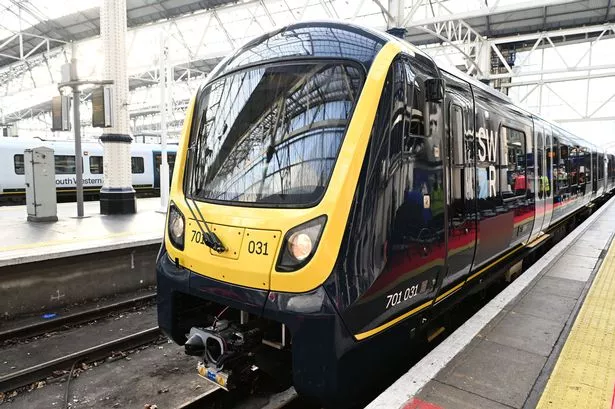
After enduring a delay of half a decade, South Western Railway proudly presented its £1bn fleet of new trains at London Waterloo Station. The operator is introducing 90 Class 701 Arterio trains to its service, which were built by Alstom in Derby. Yet, the roll-out of these trains has been significantly behind schedule due to an extended conflict with unions concerning safety issues, along with several unrelated technical problems, as reported by City AM. Notably, the Rail Maritime and Transport Union (RMT) implemented two months of strikes amidst a dispute over the role of guards and drivers. Further complications arose from faulty software, resulting in many trains being idled in sidings for considerable periods. Earlier this year, train drivers' union Aslef flagged another issue regarding the size of the windscreen wipers on the Arterios, arguing they obstructed the drivers' visibility of trackside signals. Despite these setbacks, a "development" service has been in place, with five Arterios having already been running on routes to Windsor and Eton Riverside and Shepperton. A solitary train commenced operation in January, offering a single return service off-peak between Waterloo and Windsor. South Western Railway's Interim Managing Director, Stuart Meek, commented that the new trains will "completely transform every single journey on our suburban network." Over the upcoming six months, Arterios will be servicing 74 stations and running 80 services during peak times each weekday. Customers on new routes, including those to Dorking, Epsom, Guildford, Hampton Court, and Reading, are set to benefit from increased capacity and improved comfort on their journeys. At the unveiling, Meek conceded to reporters that while new trains would offer improved capacity, they wouldn't address "perennial issues" such as track infrastructure and signalling problems, which have led to numerous delays and cancellations over the past year. The ten-car Arterios are set to accommodate around 50% more passengers compared to the older eight-car Class 455 trains they are replacing.

Read more
Losses widen at luxury Shangri-La Hotel at The Shard - but bosses eye improvement

Despite a widening pre-tax loss in its latest financial year, the five-star Shangri-La Hotel at The Shard is optimistic about an improved financial performance in 2024. The hotel reported a pre-tax loss of £7.3m for 2023, according to accounts recently filed with Companies House, compared to a £6m pre-tax loss in 2022. However, the hotel's turnover increased from £45.8m to £49.2m during the same period. Occupying 18 floors from level 34 upwards, the hotel features 202 rooms and suites, three dining venues, and London’s highest hotel infinity pool, as reported by City AM. Occupancy rates rose from 62% to 66%, while the average daily rate slightly decreased from £641 to £638. Revenue per room grew from £396 to £421, and food and beverage turnover increased from £15.9m to £17.4m. The hotel attributed its widening loss to inflationary pressure in the labour market, resulting in higher labour costs of £2m compared to 2022, along with impacts from utilities of £600,000 and maintenance and repairs of £700,000. The hotel noted that payroll continues to be its most significant operating cost, as it was in 2022. "With inflation in [the] UK now coming back to manageable levels the hotel will be assisted with operating and payroll expenses due to market conditions and further by negotiating, tendering deals with suppliers and running regular payroll productivity meetings." On its future, the Shangri-La Hotel stated: "The company continues to operate the hotel under the operating lease and enters its 11th year of operation in 2024." "Despite the decline in economic performance for 2020, 2021 and 2022 brought about by the pandemic, the company has improved on its 2019 trading levels in 2023 and expects to continue growth in 2024." The results follow the company behind The Shard's viewing gallery remaining in the red for a fourth consecutive year despite its revenue continuing to rise. The attraction reported a pre-tax loss of £678,839 for 2023, according to accounts filed with Companies House. This total came after the firm also posted a pre-tax loss of £622,359 for 2022. The Shard's attraction has not made a pre-tax profit since it reported a total of £2.3m in 2019.

Read more
M&S and Waitrose meal deal sandwich supplier makes 'stronger than expected' recovery

Food manufacturer Greencore has reported a "stronger than expected" trading year as the company, known for producing meal deals for retailers such as M&S and Waitrose, sees a significant rebound in profitability with an eye on 2025. The Irish firm informed the market this morning that its like-for-like sales surged from 29.7% to 33.2% in the year ending 28 September, 2024, as reported by City AM. The company's adjusted operating profit soared by 27.8% to £97 million, bolstered by a series of customer contract renewals which are set to establish a "solid multi-year platform". Additionally, Greencore's adjusted EBITDA witnessed a 15.7% increase. Greencore's CEO Dalton Philips commented on the robust performance, acknowledging it came during a time "defined by cost inflation and muted consumer confidence". Philips elaborated: "Over the last 12 months we have remained focused on making high quality food, rebuilding our profitability, and positioning Greencore to be known as the UK’s leading convenience foods manufacturer." "We continue to make progress against each of our strategic objectives and are well positioned to continue this momentum in FY25 and over the longer term." In a move reflecting confidence in its financial health, the group has also returned £40 million to shareholders and declared an additional £10 million share buyback. The company stated that its robust balance sheet will facilitate investment "in the growth and efficiency of our business and to pursue M&A opportunities on a selective basis, while also enabling us to deliver increasing returns to shareholders."

Read more
Pubs and bars see end of year spending surge in 'big relief' for hospitality sector

A surge of pubgoers in the final fortnight of December brought a much-needed boost to the industry, providing a "big relief" for businesses. Pub sales saw an increase of 4.7 per cent compared to December 2023, while bars rebounded from a period of weak trading throughout most of 2024, posting growth of 1.3 per cent, as per the latest CGA RSM Hospitality Business Tracker, as reported by City AM. London pubs outperformed those in the rest of the country, with sales within the M25 increasing by 4.6 per cent year on year, while venues outside this area saw a rise of 2.8 per cent. . "After a modest performance through most of 2024, real-terms growth in December was a big relief for the hospitality sector," said Karl Chessell, director of hospitality operators and food, EMEA, at CGA by NIQ. However, he warned that with business costs set to rise further and consumer confidence remaining shaky, 2025 is likely to pose more challenges for many hospitality businesses. In November, over 200 hospitality businesses penned a letter to Rachel Reeves warning that increased employers’ national insurance contributions (NICs) could push some businesses into liquidation, while others may have to drastically cut their workforce and reduce investment to cover the additional costs. Hospitality firms are particularly burdened due to their heavy reliance on part-time staff, who previously didn't meet the threshold for employers to pay tax on their wages but now do. While there has been talk of raising prices to cope with rising costs, Saxon Moseley, head of leisure and hospitality at RSM, suggested that pubs have limited scope for price increases. "Businesses will need to tread a fine line between raising prices to preserve margins whilst not spooking consumers," he commented. Fortunately, the anticipated decline in investment and hiring has not materialised as severely as many had feared, with hospitality leaders Marston’s and Young’s reaffirming their investment pledges last week.

Read more
EasyJet sees losses narrow and says demand for summer flights is 'continuing'

EasyJet has confirmed its full-year profit guidance after quarterly losses more than halved and booking momentum continued to build ahead of the busier Easter and summer months. The budget airline expects to report a headline pre-tax profit of £709m in 2025, up from a prior year haul of £610m and in line with consensus, as reported by City AM. It announced on Wednesday that quarterly passenger growth had increased seven per cent to 21.2m, while group revenue rose 13 per cent to £2.04bn. Losses in the three months ending 31 December narrowed from £126m to £61m, driven by the strong performance of its holiday arm, EasyJet Holidays. EasyJet Holidays delivered £43m in profit over the period, up around 40 per cent year-on-year. The division said it expects its customer base to grow by around a quarter in 2025. CEO Kenton Jarvis, the former EasyJet CFO who replaced Johan Lundgren at the turn of the year, said there had been "continuing demand" for flight and holiday bookings over the summer. First half bookings are already 93 per cent sold. "We have one million more customers already booked, with firm favourites like Palma, Faro and Alicante as well as new destinations like Tunisia and Cairo proving popular," Jarvis added. "All of this demonstrates positive progress towards our medium term target to deliver more than £1bn of profit before tax." Shares are up around 1.42 per cent over the last 12 months. Aarin Chiekrie, an equity analyst at Hargreaves Lansdown, commented: "Demand trends have been strong, and with short-haul capacity across Europe remaining constrained, easyJet’s been able to hold prices firm." He also noted that "Passenger numbers were up 7% meaning its planes are flying even more full, on average, as consumers remain unafraid to spend their hard-earned cash chasing the sun. Alongside lower fuel prices, all of these dynamics are having a positive impact on profitability."

Read more
Industry Professionals Decry Cancellation of Extra Bank Holiday in 2025

A recent announcement from Number 10 has confirmed that the proposed extra bank holiday in 2025 has been cancelled. Initially, there were speculations that an additional day off would be added to commemorate the conclusion of WWII, but this has been officially declared as not happening. Leaders in the UK's hospitality industry have expressed their disappointment with the government's choice to abandon the extra bank holiday. They argue that such days are crucial for generating additional revenue in their sector. Their sentiments mirror those from 2022, advocating for the permanent inclusion of an extra bank holiday to celebrate the late Queen's Platinum Jubilee. Martin Williams, a former figure in the M Restaurants and Gaucho group, has described the decision to cancel the 2025 holiday as "missed potential." Williams stated: "The additional bank holiday would have been a vital stimulus for the hospitality sector amidst the economic challenges posed by the recent budget. Local pubs and independent eateries would have greatly benefited from it—a missed opportunity indeed." A representative from UKHospitality told City AM: "Bank holidays are peak times when people in Britain prefer to dine out or take a mini-break, which naturally leads to an increase in sales for hospitality businesses. As the industry grapples with rising costs, high-demand periods like bank holidays, Easter, and summer vacations become even more significant for driving sales." A spokesperson for the Campaign For Real Ale added: "Bank holidays are golden opportunities for the beer and pub sector. They offer an additional day of support for public houses, social clubs, and taprooms seeking to enhance their business." "The pub industry continues to face financial hurdles, including soaring energy bills and escalating costs. CAMRA’s data indicates that pub enterprises are experiencing unprecedented turnover rates and are still confronting a severe decline in the number of licensees able to maintain their operations in the UK. “Public houses are essential for community unity, offering inviting spaces for social engagement and aiding in the fight against loneliness. They remain central to our neighborhoods, and bank holidays are an excellent occasion for people to gather at their local pub to enjoy a pint with loved ones.” The economic impact of additional bank holidays is significant, with most of the private sector ceasing operations for an extra day. Studies suggest that an extra bank holiday could cost the UK economy approximately £2.4 billion. A spokesperson for Number 10 remarked: "The 80th anniversaries of VE and VJ Day will be monumental occasions for our nation, as we unite to honor the memories of those who served and the legacy they have left us. "We are dedicated to commemorating these significant national events with the appropriate respect, which is why we have allocated over £10 million for events to mark these anniversaries.”

Read more
UK hospitality sector reels from Labour's budget despite global economic shifts

The high-stakes drama of a global trade war vies for attention alongside Keir Starmer’s EU reset, looming interest rate decisions and Nigel Farage’s lead in the opinion polls. News is fast-paced, and the focus quickly shifts. Politicians are often the first to want to 'draw a line under it' and move forward; whether the 'it' refers to Starmer's potential breach of 2020 lockdown rules or his government's disastrous October budget, as reported by City AM. Thankfully, politicians don't have the final say on when a story loses its relevance. For this reason, we spotlight on our front page today an issue that once dominated discussions before being overshadowed by newer or bigger news; the crisis facing the UK’s hospitality industry. According to industry body UKHospitality, the sector employs 3.5 million people and contributes nearly £100bn to the UK economy, including over £50bn in tax receipts. These figures represent some massive companies, both private and listed, numerous family-run groups and tens of thousands of smaller, independent operators. However, they all face the same hurdles; tight margins, inflation-driven cost increases, overheads, high labour costs and – collectively – a large number of relatively low-paid staff. These factors make it a challenging sector even in the best of times, and these are not the best of times. The industry has strongly opposed the tax and labour cost changes announced in the Budget, but their concerns seem to have been ignored. From April, nearly 800,000 hospitality workers will be subject to employer national insurance contributions, adding an estimated £1bn burden on the sector. This has led to job cuts, recruitment freezes, reduced opening hours, cancelled investments, or even permanent closures for some establishments. Manchester-based hospitality entrepreneur Sacha Lord expressed his concerns in a poignant letter to Rachel Reeves, stating, "this is not just about businesses, it’s about jobs, livelihoods, and communities, and time is running out." The industry has proposed measures to the Treasury to mitigate the NICs changes' impact, yet there seems to be little response. Despite the Chancellor claiming that growth is her "number one mission" and justifying the distressing tax changes as necessary for public finances, the hospitality sector remains unconvinced, as do I.

Read more
UK retailers set high hopes on Black Friday 2025 to counteract recent sales slump

UK retailers are banking on a boost in sales this holiday season after a challenging few weeks. Recent data from Sensormatic, as reported by the British Retail Consortium, shows that high street footfall fell by 3.7 per cent in November, a slight decrease from October's -3.6 per cent. Retail park and shopping centre footfall also saw declines of 1.1 per cent and 6.1 per cent respectively, indicating a nationwide hesitancy to shop, as reported by City AM. Footfall across all nations dropped this month, with Northern Ireland down 2.8 per cent, Scotland by 6.8 per cent, England by 4.2 per cent and Wales 7.1 per cent. London experienced the second largest drop at 2.5 per cent, trailing behind Bristol's 7.7 per cent. The data, which covers the four weeks between 27 October and 23 November, leaves Black Friday as a potential turning point for retailer optimism heading into the new year. "Retailers remain hopeful that the Black Friday and Christmas sales will help to turn around the declining footfall seen through most of 2024, crucial as we enter the golden quarter," said Helen Dickinson, chief executive of the British Retail Consortium. She added: "Retail not only contributes to the economy of local areas but is essential to everyday life in communities across the country." -2.0% -0.1% -2.1% -2.5% -2.3% -0.6% -4.7% -0.1% -5.5% 1.3% -5.6% 1.0% -7.4% -0.4% -7.8% -7.7% -8.6% 0.0% -9.4% 1.6% -10.8% 1.8% The struggles caused by a decline in foot traffic come on the heels of an already difficult period for retailers, according to Dickinson. This includes the recent increase in employers' national insurance and minimum wage. Earlier this week, the retail chief also cautioned that tax increases announced in the latest government budget may lead to the return of inflation in the UK. Despite prices remaining in deflation in November, down 0.6% month on month, up from a 0.8% deflation in the previous month, Dickinson hinted that "significant price pressures on the horizon" could mean that November's figures "may signal the end of falling inflation." Consumer confidence has taken a hit, "perhaps not helped by post-Budget spending jitters," said Andy Sumpter, retail consultant EMEA for Sensormatic. Sumpter added: "This lacklustre footfall performance will have come as a blow for many retailers, who would have been counting on getting early Christmas trading results under their belts before the start of advent."

Read more
Mothercare slumps to loss as Middle East markets continue to struggle

Mothercare has reported a slide into the red for the first half of the year, with difficulties in its Middle Eastern markets being a significant factor. The company recorded an adjusted pre-tax loss of £1.4m for the six months ending in September, a stark contrast to the £1.8m profit from the same period last year. Global sales dropped by 12 per cent, attributed mainly to sluggish sales in the Middle East, as reported by City AM. "Performance in our Middle Eastern region, especially in our largest single market, remains challenging where the shape of our partner’s retail offering in the country continues to adapt to address evolving consumer behaviour, pursuant to ongoing fiscal and legislative changes," said Clive Whiley, Mothercare's chair. The retailer also faced challenges as franchise partners cleared out old stock. However, Whiley highlighted a positive development with the establishment of a £30m joint venture in South Asia with Reliance Brands, India's largest private sector corporation. Mothercare has managed to reduce its secured debt facilities to £8m and has received £16m from Reliance Brands. This new partnership is set to encompass markets including Nepal, Sri Lanka, Bhutan, Bangladesh, and India. Chief executive Daniel Whiley said the new India joint venture and refinancing had given the company a fresh start. "We have immediately utilised this new India joint venture and refinancing as a springboard for a de-leveraged Mothercare to explore the full bandwidth of growth opportunities through connections with other businesses, the development of our branded product ranges and licensing within and beyond our existing perimeters," Whiley added.

Read more
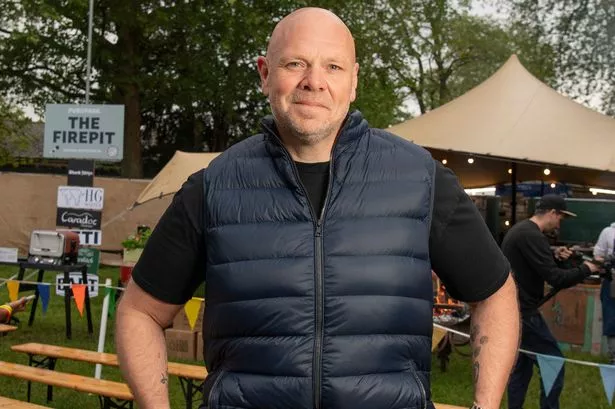
Celebrity chef Tom Kerridge warns of widespread closures in hospitality following tax hike

Celebrity chef Tom Kerridge has cautioned that the government's tax increases will have a "catastrophic" effect on numerous hospitality businesses in the coming year. Kerridge, who was one of 120 business leaders to endorse Labour prior to the General Election, expressed significant "business frustration" with the government following the Budget, as reported by City AM. "There will be a huge amount of closures," he predicted during his appearance on Sky News last night. "We’ve already got high-profile names and Michelin-star restaurants that have decided to shut their doors. And when that starts to happen, it does begin to filter down," he added. According to Kerridge, the rise in employers’ national insurance will mean businesses could face an additional annual cost of £800-850 per employee, which he described as "an awful lot of money" for many smaller enterprises. The retail and hospitality sectors have been vocal in their opposition to the tax increase, highlighting its potential detrimental effects on the economy. Last month, over 200 leading UK hospitality businesses signed a letter to the Chancellor, cautioning that the tax hike could compel many to reduce staff numbers or cut investment budgets. Andrew Higginson, chair of the British Retail Consortium, also warned that the surge in costs might be "too much for the (retail) industry to bear." Deutsche Bank's analysis indicates that the national insurance increase could lead to the loss of around 100,000 jobs.

Read more
Pandora boasts 'outstanding year' as US drives double-digit growth for jeweller

Danish jewellery brand Pandora has celebrated an "outstanding year" despite ongoing global market uncertainties. The company reported a 13% organic growth for the financial year 2024, surpassing its previously upgraded guidance of 11% to 12%. This growth included a 7% like-for-like sales increase and a 5% network expansion, with the opening of 236 new stores in 2024, according to Pandora, as reported by City AM. Both revenue and earnings before interest and tax (EBIT) saw a 13% rise, reaching DKK 31.7bn (£3.54bn) and DKK 8bn (£0.89bn), respectively. Sales in the US, which represent just over 30% of Pandora's total sales, grew by 9% in the fourth quarter. Europe, accounting for another third, experienced flat growth, while combined sales in other regions saw an 11% increase. Alexander Lacik, CEO of Pandora, expressed satisfaction with the company's performance: "We are pleased with how we ended 2024, particularly given the challenging macroeconomic backdrop and a competitive holiday period." He added, "Execution of our Phoenix strategy continued to drive the brand forward throughout the entire year. In 2025, we target another year of solid and profitable growth and we have all actions lined up to continue the strong development." Pandora, a company that exclusively uses recycled silver and gold, has initiated the construction of a new DKK 1.1bn (£112m) crafting facility in Vietnam. The firm anticipates that this will enhance its crafting capacity by approximately 50%, generate 7,000 jobs, and produce up to 60 million pieces of jewellery annually. Over the past year, Pandora's share price has seen an increase of just over 35% and 4.6% in the previous month.

Read more
Revolution Beauty sales to fall by around a quarter in 2025 in blow to turnaround plans

Revolution Beauty anticipates a sales decline of approximately 25% in 2025, posing a challenge to the cosmetics company's recovery strategy. The London-listed firm reported a softening of sales in its digital channels and some de-stocking by US retailers in December, as reported by City AM. Additionally, the launch of certain retail partnerships has been postponed from Q4 2025 to H1 2026. The company expects underlying pre-tax earnings to drop into the "high single digit millions," according to a statement released to the markets on Thursday. In the wake of an accounting scandal uncovered in 2022 that led to a boardroom shake-up and a plummeting valuation, Revolution Beauty is undergoing a transformation. In October, the firm informed investors that its cost-cutting and simplification efforts had resulted in a 20% year-on-year revenue decrease to £72m. Efforts to clear slow-moving stock to improve cash flow have also impacted earnings, with an £11.3m charge disclosed in October. On Thursday, Revolution Beauty announced it had eliminated over 6,000 unproductive SKUs in 2025, which represents about two-thirds of its inventory. Despite these challenges, the retailer remains optimistic about achieving overall growth in 2026, buoyed by several brand launches including SKIN and RELOVE. As of the end of December, the company's cash balance stood at £6m, with net debts of £26m, including a fully drawn revolving credit facility (RCF).

Read more
Marston's profits jump 64% as pre-Christmas bookings offer hope for bumper year

Marston's, the esteemed pub operator headquartered in Wolverhampton, has reported a robust performance that exceeded market expectations, buoyed by pre-Christmas bookings and signalling potential for another prosperous year. The company announced this morning that its total revenue for the year ending 28 September, 2024, climbed to £898.6 million, marking a three per cent increase from £872.3 million in the previous 12 months, as reported by City AM. Pre-tax profits at Marston’s surged by an impressive 64.5 per cent, rising from £25.6 million to £42.1 million, while earnings before interest, taxes, depreciation, and amortisation (EBITDA) saw a 13 per cent uptick. Justin Platt, Marston’s chief executive, described the period as a "defining year" for the firm, which followed their strategic move away from brewing to "embark on a new chapter". The group, which boasts ownership of over 1,339 pubs across the UK, had divested its 40 per cent share in Carlsberg Marston’s Brewing Company (CMBC) back to the Danish brewer for £206 million in July. Platt commented on the sale's significant impact: "The sale of our stake in CMBC has been transformational, enabling us to significantly reduce debt, increase our flexibility and focus on what we do best: running great local pubs." He highlighted the positive outcomes of their focused approach and refreshed strategy, which are reflected in the strong financial results, including a 4.8 per cent rise in like-for-like sales that outpaced the market. Additionally, Marston's net debt was reduced to £883.7 million, indicating a substantial decrease of over £301.7 million. Looking towards the festive season, the current trading period leading up to Christmas is showing promising signs, with bookings already surpassing those of the previous year.

Read more
Wetherspoons' Tim Martin urges Keir Starmer to tackle pub tax disparity amid rising costs

Wetherspoons chairman, Tim Martin, has reiterated his call for the government and Keir Starmer to reduce the tax disparity between supermarkets and pubs in the company's latest trading update. Following the government's decision to increase the national minimum wage, business rates, and employers' national insurance, Wetherspoon's costs are set to rise by approximately £60m per year, as reported by City AM. Martin pointed out that these wage increases will have a "significantly bigger impact on pub and restaurant companies than supermarkets," He noted: "Supermarkets pay no VAT in respect of food sales, whereas pubs pay 20 per cent," which enables "supermarkets to subsidise the price of beer they sell." Martin continued: "Given the public’s love of pubs, the only possible explanation for this tax discrepancy is that prime ministers and other legislators, in the 45 years since Wetherspoon started trading, have been dinner party goers, rather than pub goers." He added: "Food at dinner parties is VAT-free, subsidised by the legendary 'man on the Clapham omnibus', who has fish and chips at his local pub." Martin concluded: "Wetherspoon therefore calls upon Sir Keir Starmer to redress this imbalance, thereby striking a blow for tax equality and ending discrimination in favour of dull (yawn, yawn) dinner parties." These comments were made alongside Wetherspoons' trading update for the 25 weeks to 19 January. During the period, the company saw a 5.1% increase in like-for-like sales, with bar sales rising by 4.5% and food sales by 5.6%. However, hotel sales declined by 6.5%. The main Christmas period, spanning from 16 December 2024 to 5 January 2025, witnessed a 6.1% growth in like-for-like sales. In the first six months of the company's financial year, two new pubs were opened, and six were sold.

Read more
Kombucha maker hikes prices 429 percent in Black Friday 'anti-sale'

A Bristol-based fermented drinks company has hiked its prices 429 percent in a stance against Black Friday. Counter Culture, which makes kombucha - a drink made by brewing tea, sugar and water - says its radical "anti-sale" is a bid to discourage purchases this weekend. The Bedminster-based firm has increased the price of a case of 24 cans of its popular drink to a whopping £227.21. The idea, according to boss and co-founder Tom Smart, is to raise awareness of the carbon cost of Black Friday and Cyber Monday. He claims that last year, an estimated 429,000 tonnes of CO2 were pumped into the atmosphere from product deliveries. He said: "As demonstrated by our business name, we believe in doing things differently. We think Black Friday has gone too far and encourages over consumption which our planet cannot afford. We're in a privileged position to create consumer goods which taste nice. We think our customers will be just fine without indulging in our drinks for a few days." Counter Culture was set up by Mr Smart and Harry McDowell after they decided to have a break from alcohol during the pandemic. The company has donated 51% of its shares to non-profit organisations and is aiming to raise £1m to help support social and environmental initiatives. The business is based at On Point Brewery near East Street, with drinks available in can or on draft at On Point’s taproom, while also in pubs, bars and taprooms across Bristol. Mr McDowell said last year: “Experiencing a can of beer has become so much more than just drinking the liquid inside. Like most craft beer brands, we too see our can as a canvas; we’re just opting for a different drink inside that happens to be non-alcoholic.”

Read more
Builders merchant MKM opening four new sites, creating 74 jobs

Builders merchant MKM is opening four new sites in the South West of England and Wales. The independent firm, which sells building materials and supplies to traders and the public, said the new outlets in Plymouth, Bridgend, Bangor, and Cheltenham would create 74 jobs. The branches are opening throughout February and include kitchen and bathroom showrooms, and landscaping displays. The outlets will stock a range of national brands and will also be giving out free hot drinks to customers. The Plymouth branch, which opened on Monday (February 3), is the first new builders’ merchant in the city for more than two decades. The outlet is being headed up by directors Mike Kerslake and Simon Channings, and has a 16,000-square-foot drive-thru timber facility. The branch has already pledged support for Plymouth Argyle Community Trust as its charity partner, alongside grassroots teams including Parkway FC and Tamar Saracens. Mr Channings said: “Plymouth has been ready for a fresh approach to builders’ merchants, and we’re delivering just that. Whether you’re a trade professional or tackling a DIY project, we’re here to support you.” MKM Bridgend will open on February 10, creating 18 jobs. The branch is being led by Shaun Cox and Jonathan Thomas, and has agreed partnerships with Prostate Cymru, Sandville and The OddBalls Foundation. Mr Cox said: “We’re not just here to sell materials; we’re here to build relationships, support local initiatives, and set the benchmark for customer service in Bridgend.” Meanwhile, MKM Bangor is opening on February 17 and MKM Cheltenham on February 24. The Gloucestershire branch is the first MKM store to achieve a BREEAM Excellent rating, with its solar panels, air-source heat pumps, electric vehicle chargers, and LED lighting. Jamie Cole, who will lead the Cheltenham branch alongside Dave McCombie, said: “We want to bring back the feel-good factor to the building trade, offering a level of service that national merchants have lost touch with. Cheltenham deserves a merchant that truly cares about its customers and community.”

Read more
Supreme saves Typhoo Tea from administration with a £10.2 million acquisition

Typhoo Tea has been saved from administration by a seller of vapes, batteries and vitamins in a deal worth over £10m. The trade and selected assets of the Bristol-based company have been acquired by Manchester-based Supreme, which is listed on the London Stock Exchange’s AIM, for £10.2m. Supreme stated that the deal includes Typhoo Tea’s stock and trade debtors with a book value of £7.5m and expects the integration of the business to "proceed without disruption to existing operations or customer service levels". The rescue comes after Typhoo Tea, established in 1903, fell into administration last month, putting over 100 jobs at risk. The new owner did not specify how many jobs would be preserved as part of the rescue deal. For the year ending 30 September, 2024, Typhoo Tea reported an unaudited revenue of approximately £20m and a pre-tax loss of around £4.6m. In the year ending September 2023, the company’s revenue was £25.3m and it made a pre-tax loss of £37.9m. The new owner anticipates that the brand will "operate on a capital light, outsourced manufacturing model, which the board believes can generate a gross profit margin of around 30 per cent, with a much reduced overhead base". In its half-year results, Supreme posted a revenue of £113m, up eight per cent, and a pre-tax profit of £12.9m, a five per cent rise. Typhoo Tea was previously taken over by Zetland Capital Partners in July 2021, as reported by City AM. Sandy Chadha, chief executive of Supreme, said: "The acquisition of Typhoo Tea marks a significant step in our broader diversification strategy and brings one of the most iconic UK consumer brands into the Supreme family." He further added: "I believe Typhoo Tea will thrive under our ownership, further benefitting from Supreme’s significant market reach and successful track record in creating brand loyalty, making us an ideal fit for this business. "Having established our soft drinks division earlier in the year, we believe the addition of Typhoo Tea and its highly complementary blend of great value and premium tea brands, creates tangible cross sell and product innovation opportunities in the near-term, alongside avenues into credible UK retailers that Supreme has been looking to partner with. "We look forward to welcoming Typhoo Tea into the Supreme family and updating shareholders on our progress over the course of the current financial year."

Read more
Debenhams makes first profit since Boohoo rescue despite sales halving

Debenhams, acquired by Boohoo from administration in 2021, has reported a turnaround to profitability even as revenues experienced a more than 50% reduction. In the period ending 29 February, 2024, the retailer recorded a pre-tax profit of £4.5m, contrasting sharply with a pre-tax loss of £732,000 in the previous year. Revenue declined to £39.7m from the earlier figure of £87.1m. Looking back further, Debenhams' revenue was £56.9m, alongside a pre-tax loss of £11.7m, as reported by City AM. Nonetheless, the company's gross merchandise value saw a considerable increase to £359.6m — a 65% rise — and its EBITDA also doubled, reaching £10.4m. UK sales decreased from £73.5m to £39.7m, while international revenue streams dried up, having contributed £13.5m in the preceding financial cycle. The workforce size at Debenhams also dropped significantly, falling from 115 employees to just 24 over the course of the year. The numbers detailed belong solely to DBZ Marketplace Online Ltd, operating under the Debenhams name, not to be confused with Debenhams Brands Online Ltd, which includes such labels as Burton, Dorothy Perkins, Wallis, and Oasis within the Boohoo portfolio. This newer entity, incorporated in May 2023, achieved sales totalling £138.6m and a pre-tax profit of £950,000 for the year ending on 29 February, 2024. Dan Finley, CEO of Boohoo and Debenhams, commented on the results: "Debenhams is an iconic British heritage brand. ". The company behind the revival of Debenhams has expressed optimism about its transformation into "Britain’s online department store." A spokesperson for the firm stated: "We bought it out of administration and are making great progress transforming it into Britain’s online department store." They added, "The market place model is stock-light, capital-light and highly profitable, as these results show. There is lots of opportunity ahead and we are focused on realising that for the benefit of all shareholders." The positive sentiment was further underscored by the announcement: "We have previously announced that the current year started strongly for Debenhams." These latest updates on Debenhams follow the disclosure of financial outcomes for other brands under the Boohoo umbrella towards the end of November. Notably, Prettylittlething reported a shift from a pre-tax profit of £22m to a loss of £6.5m, with revenue dropping from £634.1m to £475.8m. While Boohoo regularly reports its group results to the London Stock Exchange, detailed financial accounts for its individual brands are only made public annually via Companies House filings.

Read more
Why UK diesel and petrol prices are still sky high despite recent fall

Between June and October 2024, the price of petrol and diesel in the UK fell, but retailers' margins from each pump visit have significantly increased. The Competition and Markets Authority (CMA) attributes this decrease in fuel prices to changes in crude oil prices and refining spreads, both influenced by global factors, as reported by City AM. According to the watchdog, average petrol and diesel prices at the end of October were 134.4 and 139.7 pence per litre respectively, a decrease of 10.0 ppl and 10.4 ppl compared to the previous four months. Despite this drop, retailer margins remain at historic levels. The CMA's data reveals that supermarket fuel margins rose from 7 per cent in April to 8.1 per cent in August, while non-supermarket fuel margins also increased from 7.8 per cent in April to 10.2 per cent in August. The authority expressed concern over the rise in fuel margins, suggesting that competition in the road fuel retail market remains weak. The CMA also examined the retail spread - the average price drivers pay at the pump versus the benchmarked price retailers purchase fuel at - from July to October 2024. Retail spreads were above the long-term average of 5-10 ppl, with petrol averaging 14.9 ppl and diesel averaging around 16.3 ppl. The watchdog highlighted that retail spreads have been above long-term averages since 2020, "indicating an ongoing lack of retail competition in the sector." Dan Turnbull, senior director of markets at the CMA, commented: "While fuel prices have fallen since July, drivers are paying more for fuel than they should be as they continue to be squeezed by stubbornly high fuel margins." "We therefore remain concerned about weak competition in the sector and the impact on pump prices." "With that in mind, we are pleased the government is progressing with our recommendations."

Read more
Michelin Star restaurant Simpsons goes up for sale as chef announces retirement

One of Birmingham's best-known and most prestigious restaurants is up for sale. Simpsons, the Michelin Star restaurant in Edgbaston, is on the market with a £850,000 price tag. Established in Edgbaston since 2004 after chef patron Andreas Antona moved his culinary enterprise from Kenilworth, the venue is set to change hands as Mr Antona approaches retirement. Singled out by The Times as the 'Godfather of Modern Birmingham Food', Mr Antona has seen his kitchen become a starting point for many respected Birmingham chefs, such as Glynn Purnell and Cuubo's Dan Sweet, highlighting the significant imprint Simpsons has left on the local food scene. The property housing Simpsons is a Grade II-listed Georgian villa, renovated in 2015, featuring period elements alongside modern glass doors leading to well-kept lawns and patio areas. It is also home to the Eureka cookery school, reports Birmingham Live. Mr Antona said: "Simpsons represents a fantastic opportunity for someone to stamp their own identity on part of this city's culinary history. The restaurant has a fantastic and loyal customer base and sits firmly at the heart of fine dining in the Midlands. "The building is unique in its potential to host five boutique bedrooms and the jewel in its crown is the beautiful, tranquil garden and terrace. Simpsons has a big place in my heart and a sale of this importance will take time. "We have a fantastic team in place and I want to be sure that the buyer shares our passion to continue and build on Simpsons' longstanding success." Simon Chaplin, senior director at Christie and Co, said: "We are delighted to be appointed to work with Andreas on this prestigious assignment. Simpsons is one of the most established venues in the West Midlands and can continue to be so in new hands. "It has been a 'go to' restaurant for many in the area, be it for celebrations or business, and a buyer may well be a previous customer who will now be able to have the prestige of owning this iconic venue."

Read more
Aldi to create 1,600 new jobs in UK after 'best ever' Christmas sales

Aldi, the discount supermarket chain, is set to create 1,600 new jobs this year as it expands its UK store footprint, even as its competitors cut jobs. This announcement starkly contrasts with the news of Sainsbury’s cutting 3,000 jobs and minor staff reductions at Tesco and Morrisons, as reported by City AM. All three supermarkets have cited cost-saving measures as the reason for the cuts, but only Sainsbury’s has mentioned the impact of the higher national insurance bill announced in the budget. Aldi UK's HR Director, Kelly Stokes, stated that the company was "committed to creating rewarding careers and offering market-leading pay for all our store colleagues... this year promises to be an exciting year as we bring even more Aldi stores to local communities across Britain." The news follows Aldi’s Christmas results, which were its " This follows Aldi’s "best ever" Christmas results, with sales growing 3.4 per cent YoY, seasonal offerings increasing by 10 per cent, and its premium range seeing a 12 per cent jump compared to 2023. Giles Hurley, Aldi UK’s CEO, attributed the success to "drop[ping] hundreds of prices last year" as part of an "ongoing mission to make outstanding quality, affordable food accessible to everyone". The supermarket also retained its title as the UK’s cheapest supermarket for the fourth consecutive year in 2024, charging an average of £100.29 for a shopping list of 56 branded and own-label groceries in December. Aldi's market share has seen a year-on-year increase of 4.2 per cent, taking it to over 10 per cent of the market, according to Kantar. This puts the supermarket chain on track to surpass Asda as the UK's third-largest by 2028. New stores are set to open in the coming weeks in locations such as March in Cambridgeshire, Moston in Greater Manchester and Lytham in Lancashire, contributing to Aldi's ongoing expansion in the UK. Furthermore, Aldi recently announced a pay rise for Store Assistants from March 2025, with hourly rates set to increase to at least £12.71, and £14.00 within the M25.

Read more