Industry Professionals Decry Cancellation of Extra Bank Holiday in 2025

The day would have provided an opportunity to remember and a break from work

A recent announcement from Number 10 has confirmed that the proposed extra bank holiday in 2025 has been cancelled. Initially, there were speculations that an additional day off would be added to commemorate the conclusion of WWII, but this has been officially declared as not happening.

Leaders in the UK's hospitality industry have expressed their disappointment with the government's choice to abandon the extra bank holiday. They argue that such days are crucial for generating additional revenue in their sector.

Their sentiments mirror those from 2022, advocating for the permanent inclusion of an extra bank holiday to celebrate the late Queen's Platinum Jubilee. Martin Williams, a former figure in the M Restaurants and Gaucho group, has described the decision to cancel the 2025 holiday as "missed potential."

Williams stated: "The additional bank holiday would have been a vital stimulus for the hospitality sector amidst the economic challenges posed by the recent budget. Local pubs and independent eateries would have greatly benefited from it—a missed opportunity indeed."

A representative from UKHospitality told City AM: "Bank holidays are peak times when people in Britain prefer to dine out or take a mini-break, which naturally leads to an increase in sales for hospitality businesses. As the industry grapples with rising costs, high-demand periods like bank holidays, Easter, and summer vacations become even more significant for driving sales."

A spokesperson for the Campaign For Real Ale added: "Bank holidays are golden opportunities for the beer and pub sector. They offer an additional day of support for public houses, social clubs, and taprooms seeking to enhance their business."

"The pub industry continues to face financial hurdles, including soaring energy bills and escalating costs. CAMRA’s data indicates that pub enterprises are experiencing unprecedented turnover rates and are still confronting a severe decline in the number of licensees able to maintain their operations in the UK.

“Public houses are essential for community unity, offering inviting spaces for social engagement and aiding in the fight against loneliness. They remain central to our neighborhoods, and bank holidays are an excellent occasion for people to gather at their local pub to enjoy a pint with loved ones.”

The economic impact of additional bank holidays is significant, with most of the private sector ceasing operations for an extra day. Studies suggest that an extra bank holiday could cost the UK economy approximately £2.4 billion.

A spokesperson for Number 10 remarked: "The 80th anniversaries of VE and VJ Day will be monumental occasions for our nation, as we unite to honor the memories of those who served and the legacy they have left us.

"We are dedicated to commemorating these significant national events with the appropriate respect, which is why we have allocated over £10 million for events to mark these anniversaries.”
Sainsbury's Employees to Receive Salary Boost Following Successful Holiday Season and Market Share Gain

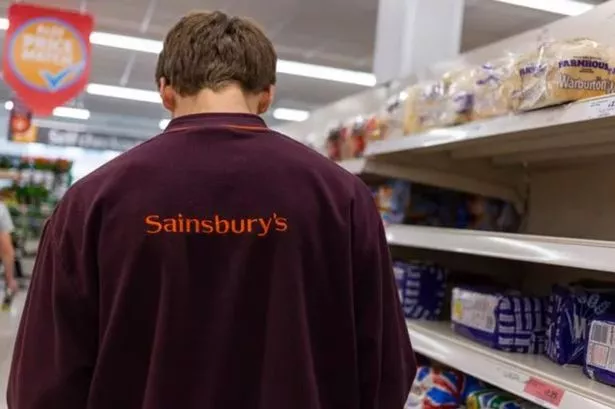
Even though Sainsbury's reported a fifth straight Christmas of increased grocery market share, with a nearly 4% rise in sales, its shares slightly declined on Friday morning. CEO Simon Roberts informed investors: "Taste the Difference products were included in half of the large Christmas baskets, contributing to a 16% sales increase, surpassing all main competitors." He also noted a nearly 40% increase in party food sales at Sainsbury’s and that in the critical days leading up to Christmas, over 200 bottles of sparkling drinks were sold every minute, with more than a third being from the Taste the Difference range, as City AM reported. Over the six-week holiday period, retail sales rose by 3.8% year-on-year, while total sales increased by 3.7%. However, Sainsbury’s share price fell over 2% to 256.20p on Friday morning. Richard Hunter, Head of Markets at interactive investor, observed: "share price reactions to the updates have been mixed, with some investors choosing to disregard the Christmas period's success and focus on the upcoming challenges." In its announcement, Sainsbury’s credited part of its growth to its Nectar card prices. The company also affirmed that it is on track to achieve an additional profit of at least £100m in the three years up to FY26/27. It was revealed that a quarter of UK residents visited the Argos website during the Black Friday weekend, indicating a "significant year-on-year increase". The third quarter saw the largest sales in technology. Nevertheless, the toy market was lackluster, and demand in higher-priced categories like furniture and consumer electronics remained low. The supermarket chain stated it is making "good progress towards our goal of achieving £1bn in cost savings by March 2027". Sainsbury’s has announced a 5% pay increase for retail staff this year, divided into two increments in March and August. The company believes this will "help us navigate a challenging cost environment while continuing to lead the industry in employee compensation". Both Sainsbury’s and Argos employees will see their hourly wage rise to £12.45 in March and £13.70 in London, with a further increase to £12.60 per hour in August and £13.85 in London. Roberts explained: "Our team members are essential to our Sainsbury’s plan, and we are pleased to announce a 5% pay raise for our hourly-paid staff this year, in two stages, to help manage the tough cost inflation environment." "We are committed to rewarding our team well for their service and productivity, and we will be the highest-paying UK grocer from March," he added. This follows Roberts' warning in November about the government's national insurance increase leading to higher prices for consumers, adding £140m to the supermarket’s expenses. "In the supermarket sector, where prices are key to success, staying competitive comes at a cost. For Sainsbury, the investment in

Read more
EasyJet sees losses narrow and says demand for summer flights is 'continuing'

EasyJet has confirmed its full-year profit guidance after quarterly losses more than halved and booking momentum continued to build ahead of the busier Easter and summer months. The budget airline expects to report a headline pre-tax profit of £709m in 2025, up from a prior year haul of £610m and in line with consensus, as reported by City AM. It announced on Wednesday that quarterly passenger growth had increased seven per cent to 21.2m, while group revenue rose 13 per cent to £2.04bn. Losses in the three months ending 31 December narrowed from £126m to £61m, driven by the strong performance of its holiday arm, EasyJet Holidays. EasyJet Holidays delivered £43m in profit over the period, up around 40 per cent year-on-year. The division said it expects its customer base to grow by around a quarter in 2025. CEO Kenton Jarvis, the former EasyJet CFO who replaced Johan Lundgren at the turn of the year, said there had been "continuing demand" for flight and holiday bookings over the summer. First half bookings are already 93 per cent sold. "We have one million more customers already booked, with firm favourites like Palma, Faro and Alicante as well as new destinations like Tunisia and Cairo proving popular," Jarvis added. "All of this demonstrates positive progress towards our medium term target to deliver more than £1bn of profit before tax." Shares are up around 1.42 per cent over the last 12 months. Aarin Chiekrie, an equity analyst at Hargreaves Lansdown, commented: "Demand trends have been strong, and with short-haul capacity across Europe remaining constrained, easyJet’s been able to hold prices firm." He also noted that "Passenger numbers were up 7% meaning its planes are flying even more full, on average, as consumers remain unafraid to spend their hard-earned cash chasing the sun. Alongside lower fuel prices, all of these dynamics are having a positive impact on profitability."

Read more
Debenhams makes first profit since Boohoo rescue despite sales halving

Debenhams, acquired by Boohoo from administration in 2021, has reported a turnaround to profitability even as revenues experienced a more than 50% reduction. In the period ending 29 February, 2024, the retailer recorded a pre-tax profit of £4.5m, contrasting sharply with a pre-tax loss of £732,000 in the previous year. Revenue declined to £39.7m from the earlier figure of £87.1m. Looking back further, Debenhams' revenue was £56.9m, alongside a pre-tax loss of £11.7m, as reported by City AM. Nonetheless, the company's gross merchandise value saw a considerable increase to £359.6m — a 65% rise — and its EBITDA also doubled, reaching £10.4m. UK sales decreased from £73.5m to £39.7m, while international revenue streams dried up, having contributed £13.5m in the preceding financial cycle. The workforce size at Debenhams also dropped significantly, falling from 115 employees to just 24 over the course of the year. The numbers detailed belong solely to DBZ Marketplace Online Ltd, operating under the Debenhams name, not to be confused with Debenhams Brands Online Ltd, which includes such labels as Burton, Dorothy Perkins, Wallis, and Oasis within the Boohoo portfolio. This newer entity, incorporated in May 2023, achieved sales totalling £138.6m and a pre-tax profit of £950,000 for the year ending on 29 February, 2024. Dan Finley, CEO of Boohoo and Debenhams, commented on the results: "Debenhams is an iconic British heritage brand. ". The company behind the revival of Debenhams has expressed optimism about its transformation into "Britain’s online department store." A spokesperson for the firm stated: "We bought it out of administration and are making great progress transforming it into Britain’s online department store." They added, "The market place model is stock-light, capital-light and highly profitable, as these results show. There is lots of opportunity ahead and we are focused on realising that for the benefit of all shareholders." The positive sentiment was further underscored by the announcement: "We have previously announced that the current year started strongly for Debenhams." These latest updates on Debenhams follow the disclosure of financial outcomes for other brands under the Boohoo umbrella towards the end of November. Notably, Prettylittlething reported a shift from a pre-tax profit of £22m to a loss of £6.5m, with revenue dropping from £634.1m to £475.8m. While Boohoo regularly reports its group results to the London Stock Exchange, detailed financial accounts for its individual brands are only made public annually via Companies House filings.

Read more
Marston's profits jump 64% as pre-Christmas bookings offer hope for bumper year

Marston's, the esteemed pub operator headquartered in Wolverhampton, has reported a robust performance that exceeded market expectations, buoyed by pre-Christmas bookings and signalling potential for another prosperous year. The company announced this morning that its total revenue for the year ending 28 September, 2024, climbed to £898.6 million, marking a three per cent increase from £872.3 million in the previous 12 months, as reported by City AM. Pre-tax profits at Marston’s surged by an impressive 64.5 per cent, rising from £25.6 million to £42.1 million, while earnings before interest, taxes, depreciation, and amortisation (EBITDA) saw a 13 per cent uptick. Justin Platt, Marston’s chief executive, described the period as a "defining year" for the firm, which followed their strategic move away from brewing to "embark on a new chapter". The group, which boasts ownership of over 1,339 pubs across the UK, had divested its 40 per cent share in Carlsberg Marston’s Brewing Company (CMBC) back to the Danish brewer for £206 million in July. Platt commented on the sale's significant impact: "The sale of our stake in CMBC has been transformational, enabling us to significantly reduce debt, increase our flexibility and focus on what we do best: running great local pubs." He highlighted the positive outcomes of their focused approach and refreshed strategy, which are reflected in the strong financial results, including a 4.8 per cent rise in like-for-like sales that outpaced the market. Additionally, Marston's net debt was reduced to £883.7 million, indicating a substantial decrease of over £301.7 million. Looking towards the festive season, the current trading period leading up to Christmas is showing promising signs, with bookings already surpassing those of the previous year.

Read more
Boohoo shareholders vote to keep co-founder on board in Mike Ashley battle

Shareholders of Boohoo have overwhelmingly rejected a proposal from Mike Ashley's Frasers Group to remove the company's co-founder and vice chair, Mahmud Kamani, from the board. The proposal was voted down by a margin of two to one, with four-fifths of shareholders participating and two-thirds of those voting in favour of retaining Kamani, as reported by City AM. Boohoo stated that it had the "clear support of shareholders" and called on Frasers to "end its attempts to destabilise and disrupt the group". The company added that the continued distractions were not in the best interests of creating value for all shareholders. The dispute between the two companies has been ongoing since October, when Boohoo's CEO John Lyttle stepped down and Frasers, which owns around 27% of Boohoo, attempted to install Ashley as his successor. However, this move was rejected, and former Debenhams chief Dan Finley was appointed instead. Ashley had claimed that he wanted to help Boohoo return to profit after a period of destabilisation, during which the company has faced increased competition from cheaper rivals such as Shein and Temu. Boohoo's latest half-year results showed a 15% fall in revenue, a 10.5% decline in adjusted operating profit, and an increase in net debt of over £100m. Boohoo's non-executive chair Tim Morris expressed his gratitude to company investors, stating: "I would like to thank our shareholders for their overwhelming support, which provides the board with a clear mandate to continue with the work of creating maximum value for all shareholders." He went on to reference the past events, pointing out, "Today’s outcome follows the rejection in December of the previous Frasers attempt to destabilise boohoo." He added, "On both occasions 99 per cent of investors who are not connected to Frasers backed the board’s position."

Read more
Creative hub gets £1.5m boost to add two new floors to 'maker space'

Blackburn's town centre creative hub, Making Rooms, is poised for a £1.5million expansion after securing additional funding add two additional floors. A planning application has been lodged to repurpose the basement and roof space of their current building on Exchange Street. The Making Rooms, which neighbours Blackburn Museum and Art Gallery, houses the team behind the award-winning National Festival of Making and Culturapedia. If the planning application is approved, the refurbished basement alone would double the production capacity at The Making Rooms, with a broad scope ranging from agricultural robotics to cyber security, podcasting, ceramics, metalwork, plastic recycling, textiles and device repair. The proposed design includes more than 10 new workspaces. An extra storey is also planned for the roof space, featuring a study room, breakout area and outdoor terrace. This would be converted into a dedicated Eco Lab, offering opportunities to study biomaterials and experiment with robotic farming equipment. The new proposals also aim to make the entire building fully accessible, reports Lancs Live. Since its inception in 2016, The Making Rooms has become a beacon of innovation and creativity, providing tens of thousands of visitors from across Europe with the skills to explore everything from ceramics to the technological wizardry of 3D printing, electronics, and mould-making. Initially established by Blackburn with Darwen Council, the hub transitioned into a Community Interest Company. The facility's lab director, Tom Macpherson-Pope, said: "The potential this proposed expansion offers is just incredible. It'll help transform The Making Rooms into the leading makerspace in the UK." "This new planning application is the next step in this exciting journey. The Making Rooms already has a great range of opportunities for people to get started in making or develop their skills – everything from classics like laser cutting and 3D printing to mould making and electronics development. "We are one space, but we have many labs. We also work incredibly hard to make these free to our end users. "Since opening in 2016, we have given tens of thousands of people making experiences and accelerated a 'maker movement' here in the borough – something we are really proud of and are eager to build upon with these new plans." Cllr Phil Riley, leader of Blackburn with Darwen Council, said: "The Making Rooms is a huge success story. They deserve this new funding and for the chance to make their expansion plans a reality to the huge benefit of our community." "We have visitors travelling from right across Europe here to Blackburn to visit The Making Rooms. You only have to walk through the doors to see what an impact it's having – people of all walks of lives all coming together with a shared interest of technology and innovation."

Read more
Supreme saves Typhoo Tea from administration with a £10.2 million acquisition

Typhoo Tea has been saved from administration by a seller of vapes, batteries and vitamins in a deal worth over £10m. The trade and selected assets of the Bristol-based company have been acquired by Manchester-based Supreme, which is listed on the London Stock Exchange’s AIM, for £10.2m. Supreme stated that the deal includes Typhoo Tea’s stock and trade debtors with a book value of £7.5m and expects the integration of the business to "proceed without disruption to existing operations or customer service levels". The rescue comes after Typhoo Tea, established in 1903, fell into administration last month, putting over 100 jobs at risk. The new owner did not specify how many jobs would be preserved as part of the rescue deal. For the year ending 30 September, 2024, Typhoo Tea reported an unaudited revenue of approximately £20m and a pre-tax loss of around £4.6m. In the year ending September 2023, the company’s revenue was £25.3m and it made a pre-tax loss of £37.9m. The new owner anticipates that the brand will "operate on a capital light, outsourced manufacturing model, which the board believes can generate a gross profit margin of around 30 per cent, with a much reduced overhead base". In its half-year results, Supreme posted a revenue of £113m, up eight per cent, and a pre-tax profit of £12.9m, a five per cent rise. Typhoo Tea was previously taken over by Zetland Capital Partners in July 2021, as reported by City AM. Sandy Chadha, chief executive of Supreme, said: "The acquisition of Typhoo Tea marks a significant step in our broader diversification strategy and brings one of the most iconic UK consumer brands into the Supreme family." He further added: "I believe Typhoo Tea will thrive under our ownership, further benefitting from Supreme’s significant market reach and successful track record in creating brand loyalty, making us an ideal fit for this business. "Having established our soft drinks division earlier in the year, we believe the addition of Typhoo Tea and its highly complementary blend of great value and premium tea brands, creates tangible cross sell and product innovation opportunities in the near-term, alongside avenues into credible UK retailers that Supreme has been looking to partner with. "We look forward to welcoming Typhoo Tea into the Supreme family and updating shareholders on our progress over the course of the current financial year."

Read more
Vodafone and Three's £16.5bn mega merger approved by competition watchdog

The UK's competition watchdog has given the green light to Vodafone’s monumental £16.5bn merger with CK Hutchison’s Three UK, forming the country's largest mobile operator. In a statement released on the London Stock Exchange, Vodafone characterised the deal as a "once-in-a-generation opportunity to transform the UK’s digital infrastructure," CEO Margherita Della Valle celebrated the birth of a "new force" in the telecoms market. This approval comes after nearly 18 months of consideration by the Competition and Markets Authority (CMA), which had previously expressed concerns that the merger could result in increased bills for millions of customers, as reported by City AM. Last month, the CMA indicated it would back the deal if both companies committed to an £11bn plan to enhance the merged group’s UK network. On Thursday, Vodafone and Three vowed to invest £11bn and establish "one of Europe’s most advanced 5G networks," set to serve over 50m customers. The statement confirmed this commitment would not require any public funding. Stuart Mcintosh, the chair of the CMA’s inquiry group, stated: "After extensive feedback, we believe the merger is likely to boost competition in the UK mobile sector and should be allowed to proceed, but only if Vodafone and Three agree to implement our proposed measures." Vodafone’s Margherita Della Valle asserted that consumers and businesses would benefit from "wider coverage, faster speeds and better-quality connections across the UK," following the merger. Canning Fok, deputy chairman of CK Hutchison and chairman of CK Hutchison Group Telecom Holdings, has expressed his approval following the green light for the telecoms deal. He remarked: "Today’s approval releases the handbrake on the UK’s telecoms industry, and the increased investment will power the UK to the forefront of European telecommunications." Fok emphasised the company's enduring commitment to the UK market, stating: "We have been operating telecoms businesses in the UK for over three decades and Three UK for the past two. " He underscored their contributions, adding: "We have invested in the people and the infrastructure, helping to bring the benefits of mobile connectivity to UK businesses and consumers."

Read more
Nando's to open new restaurants across UK after slashing loss

Nando’s has unveiled plans to open new restaurants across the UK after reducing its pre-tax loss during its latest financial year. The chain, renowned for its peri-peri chicken, intends to launch 14 sites during its current financial year, as reported by City AM. It has already opened new establishments in Edinburgh, Newcastle, Doncaster, Taplow, Bognor, Watford, Northampton and Belfast. In the year ending February 2024, Nando’s launched 17 restaurants, with 11 of these in the UK and Ireland. During that 12-month period, the chain’s revenue rose by 7.5 per cent to £1.37bn while its pre-tax loss was reduced from £86.2m to £50.1m. The group reported an operating profit of £59.8m for the year. Nando’s stated its sales had exceeded pre-pandemic levels due to "strong customer demand". Rob Papps, group chief executive of Nando’s, said the economic backdrop remains "uncertain" but it is pushing forward with more investment to drive growth. Nando’s said the latest growth plans come after a positive first quarter of its 2024-25 financial year, where it was "extremely encouraged by customer demand". However, it emphasised cost inflation has remained at "elevated levels", indicating it is still seeking to address its costs across the business. Nando’s said it made £86.6m of capital investment over the year, as it opened more stores and refurbished a number of restaurants. Papps stated: "The 2024 financial year saw Nando’s deliver a good sales performance and a return to pre-pandemic levels of operating profit driven by robust consumer demand for our flame-grilled peri-peri chicken supported by our strong brand and customer proposition." He added, "Despite the improved sales performance, ongoing cost pressure with energy, labour and food remained very challenging."

Read more
On the Beach brings back dividends and launches £25m share buyback for investors

On the Beach has initiated a £25m share buyback and promised substantial full-year dividends for investors, following a surge in demand for its package holidays to record levels in 2024. The Manchester-based company announced plans to reintroduce a final dividend of 2.1p per share, marking the first full-year payout since the pandemic affected the travel sector, as reported by City AM. This decision comes after On the Beach reported record bookings for the third consecutive year, capitalizing on the travel boom that has swept across Europe in recent years. The company's total transaction value (TTV) reached £1.2bn, a 15% year-on-year increase, alongside revenue of £128.2m, up 14%. On an adjusted basis, pre-tax profit rose by 25% to £31m. In a statement to the market, On the Beach informed investors that its forward order book had reached record levels, with winter bookings to date up by 25%. "Current trends and strategy give us confidence that summer 2025 will be significantly ahead of summer 2024," the company added. Chief Executive Shaun Morton attributed the performance to a combination of initiatives, including the company's announcement of a landmark partnership deal with its long-term budget airline partner, Ryanair. "The partnership has facilitated an improved customer journey for those booking Ryanair flights as part of an On the Beach package, whilst enabling increased operational efficiency and a greater focus on areas of strategic value." "What’s more, the agreement and significant upgrades to our technology have supported a doubling of our addressable market, following the addition of city breaks to our offering alongside planned investment in Ireland."

Read more